10. What is creating the need for all the triage?
Warm-up
If you’re new here, my game is using research models as lenses on everyday experiences. The research model for this post is Systems Thinking’s DSRP Theory. Derek Cabrera’s DSRP Theory argues that thinking is organizing, and organizing is done with 4 universal patterns. Each pattern in turn is comprised of 2 elements. Finally there are 3 dynamics that describe how the patterns and elements interact.
I’m going to continue with an idea from my last post where I compared understanding the parts/process of shooting a basketball with using DSRP. I was hoping the reader could see that there are precise knowable parts to both actions, shooting a ball and thinking about any aspect of life. If I want to shoot the basketball well, I need to know all the parts and how they are connected. Once I know these mechanics and start practicing, I just need to understand the feedback I’m getting to make sure I’m using all the parts correctly. Here are some feedback sources for shooting a basketball:
What happens when I shoot? Does it go in? If not, how did I miss?
I can have someone who knows shooting fundamentals watch me shoot, and tell me what I’m doing and how my actions compare to proven shooting mechanics.
I can video myself shooting and then compare my mechanics to the parts/process of shooting a basketball, and adjust based on what I see.
If I use the feedback to continually improve and maintain my shooting mechanics while practicing regularly, then I will get better at shooting- the ball will go in the hoop more.
It’s a little bit harder with thinking because our thoughts are not as visible (until we map them or infer them based on actions). But not as hard as most people might assume. First off, there are four universal patterns of organization. When I check my thinking by mapping it, I can ask myself, “Am I organizing with all four patterns where each pattern fits best?” Secondly, each pattern is made of two elements for a total of 8 elements. The Cabreras’ research finds that most of the time, most people only use 3 of the 8 elements consistently. I have checked this in my observations and conversations. Their findings hold in my experiences. To start let’s make sure we are clear what the elements are:
Every Distinction contains the elements identity and and other
Every System contains the elements part and a whole
Every Relationship contains the elements action and reaction
Every Perspective contains the elements view and point
Let’s try and squeeze a bit more out of this hoop analogy. When I organize my mental models using 3 of 8 elements, it’s like shooting using 37.5% of the available shooting mechanics. Really good shooters in the game of basketball make between 50-60% of their shots by constantly practicing all the known parts of shooting. From a probabilistic lens then, I’d be lucky to make 20% of my shots while using only 37.5% of shooting fundamentals. Worse though, the reality of a basketball game is more complex and dynamic. Since some of the mechanics of shooting are essential for getting my shot off while I’m being defended in a game, reaching 20% makes with so few fundamentals mastered is highly unlikely.
To complete this analogy, if I’m only using 3 of 8 elements to organize my thinking about the world, I’m probably only explicitly understanding around 20% of the information available to me. Even if I’m getting decent results, I certainly cannot reflect very well if I’m missing 80% of the available material that could inform my learning.
Real World Example # 10
Our middle school team met daily for planning and logistical discussions. David, our principal in his third year at our school, regularly came to one meeting a week. The first half dozen or so times he came, he mainly observed and occasionally added some details for us to consider.
Then one meeting in late October, David started the meeting off with a specific discussion item. He asked us to think about how we were using our meeting time. After some discussion referencing meeting notes, we came to the conclusion that our agendas were often dominated by one major theme- triage of individual student concerns. With this recognition out in the open, David then pushed us to consider a few questions. The first was, “What is creating the need for all the triage?” The second was, “How can we use our meeting time so our students don’t require as much triage?”
It didn’t take long for me to adapt my mental model using David’s feedback. The triage was created in large part by our existing systems. And our first instruction design was the most logical place to adapt our actions.
I’ve thought differently about meetings and all collaboration since. My experiences in 12 schools suggests the problem in education is still acute, and solution bias continues to keep us from constructing mental models about learning that more closely align with real student and real world needs.
DSRP Study 10: Reads / Mechanics
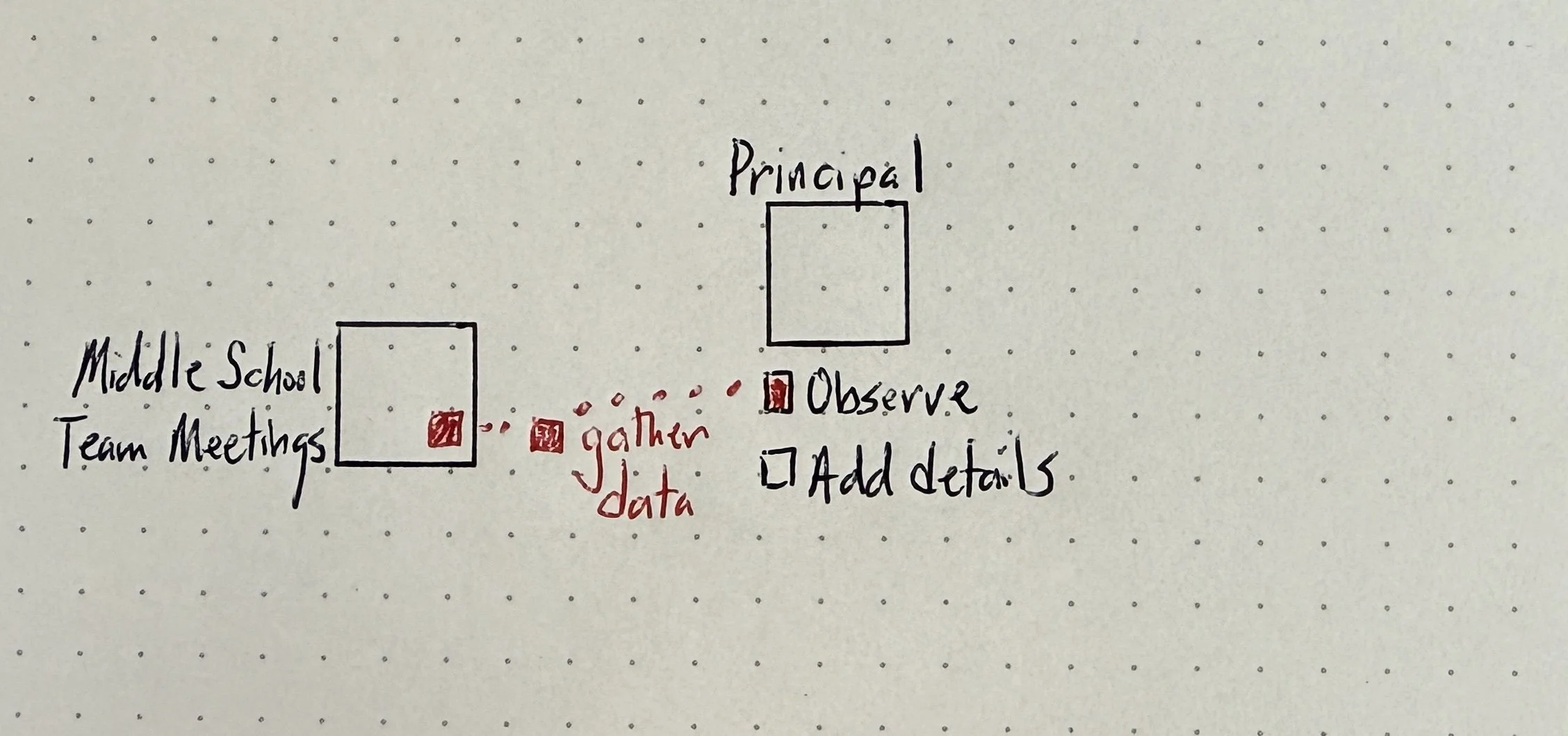
Map 1. I’ve mapped the principal’s mental model while participating in the first half dozen meetings using the Perspective pattern. I’ve used 4 of 8 elements [point (which is also in part-whole form) and view] so far.
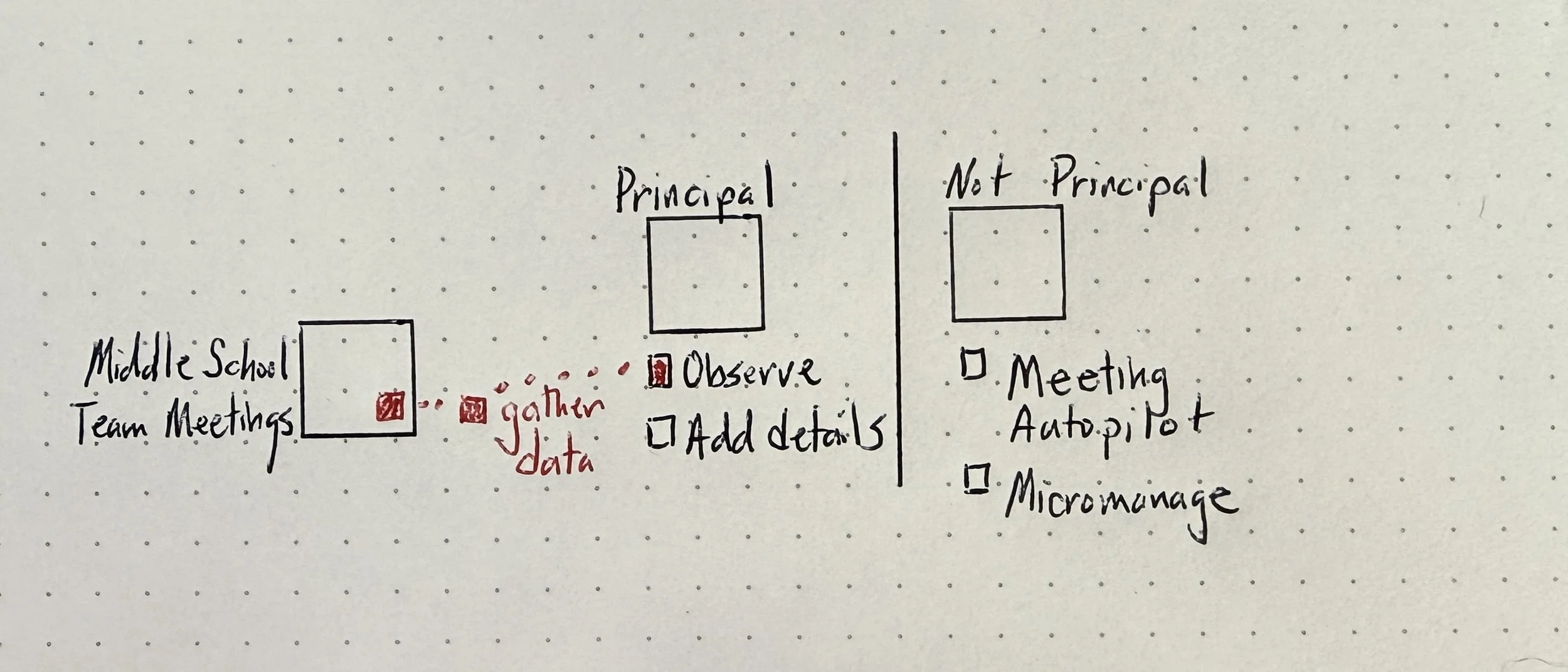
Map 2. The principal did not simply adopt the implicit perspectives of the teachers in the room. We were basically running on teacher meeting autopilot. In this map, I adapted the Principal’s Perspective-point from a simple System with 2 parts, to an identity in a Distinction. Changing the organization from Perspective to Distinction begs the question, what is other here? Other is labeled Not Principal here. I’ve now used 6 of 8 elements through 2 maps in this DSRP study.
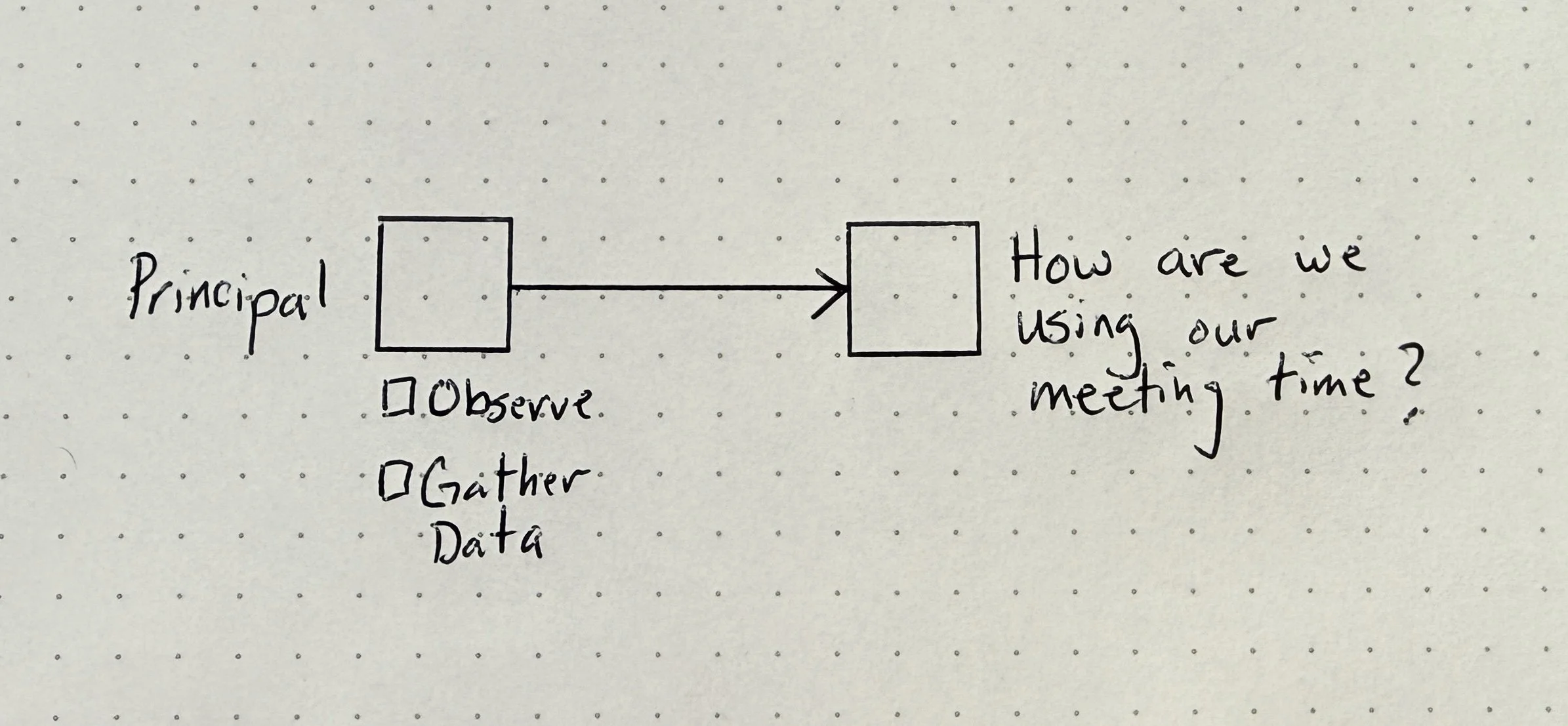
Map 3. Here I converted the Principal’s Perspective from Map 1, to an action-reaction Relationship. The action has 2 parts. The resulting reaction is the question.
I’ve used all 8 elements to organize my mental model so far. Organizing more information will increase my understanding of the situation. It increases the likelihood that my mental models are shots that go through the hoop, as opposed to air balls.
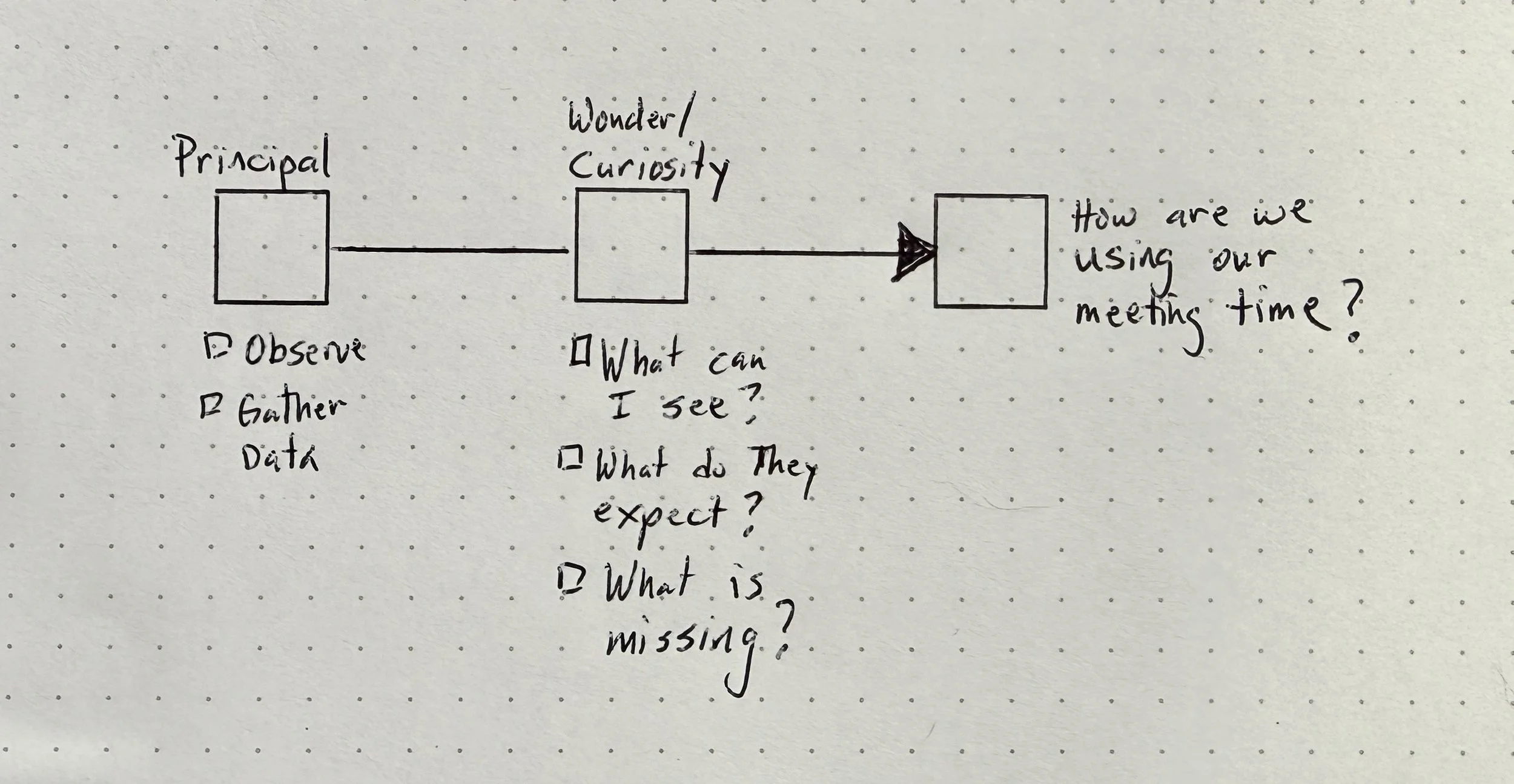
Map 4. I updated the simple action-reaction Relationship from the previous map, using a Relationship Zoom Move. By doing so, I’ve made wonder/curiosity explicit. Curiosit is an essential ingredient for iterating our mental models toward increasing alignment with reality.
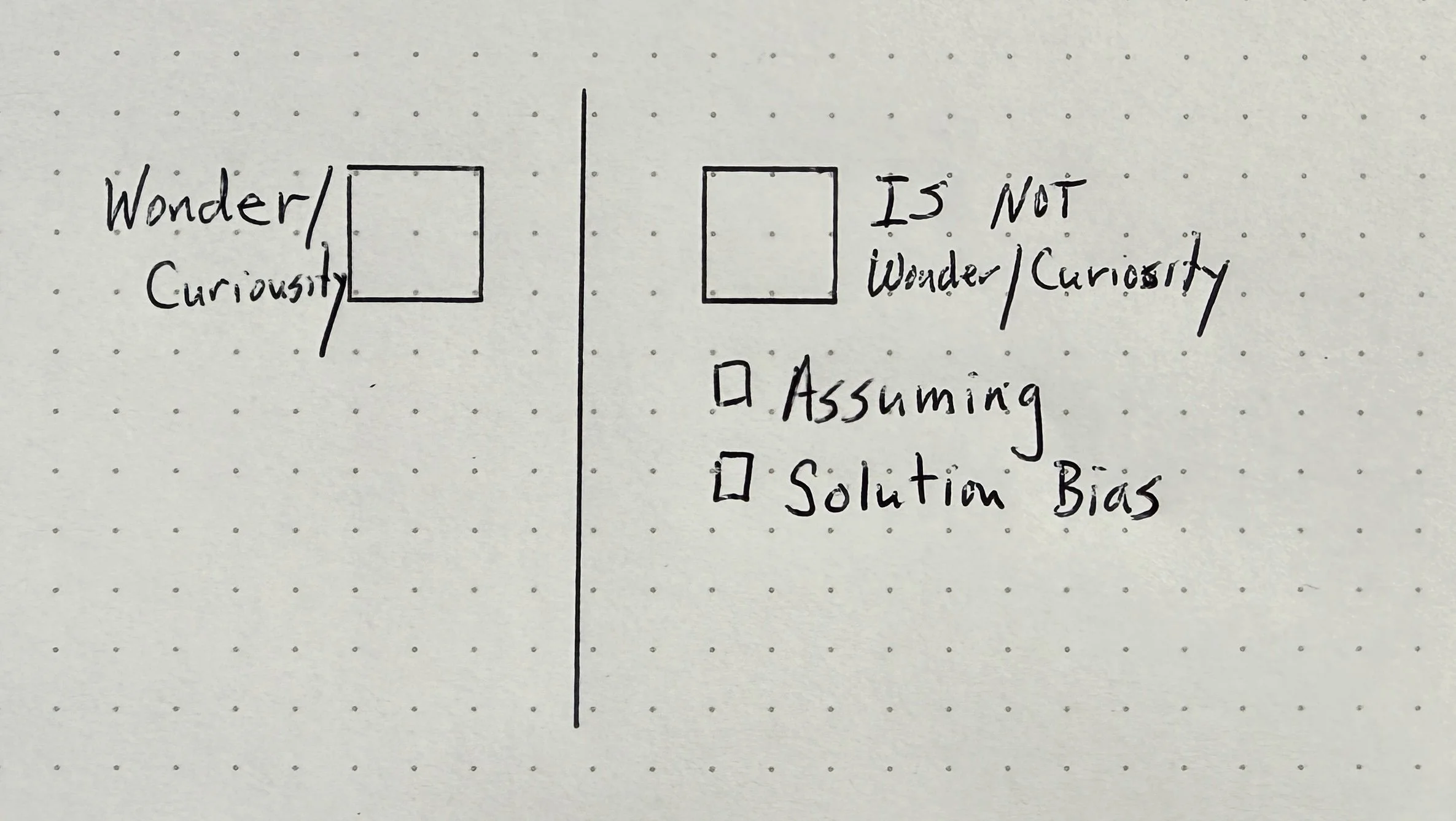
Map 5. Here, I’ve organized again using the Distinction pattern. Being explicit about the other makes the identity wonder/curiosity pop. We want to avoid assuming and Solution Bias, especially if we operate in a culture that worships quick action and puritanical individualism.
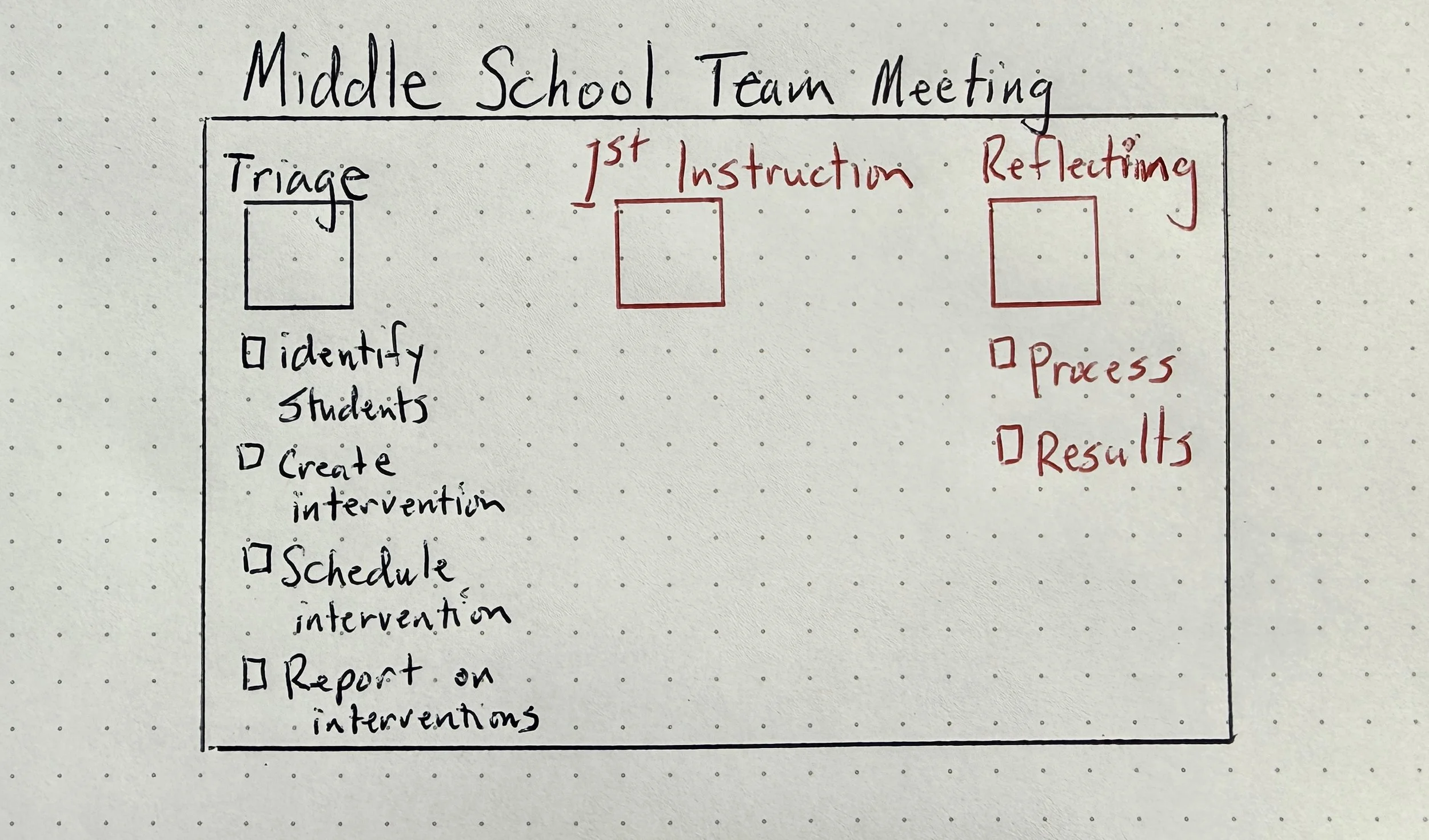
Map 6. Before this map, I only low lighted the System pattern in my maps. Here, I’ve spotlighted S here with a Zoom in-Zoom Out move. This map approximates our discussion resulting from the question, “How are we using our meeting time?”
We had been stuck zooming in student concerns. Once you become aware of what people stuck zooming in looks like, you realize it is super common.
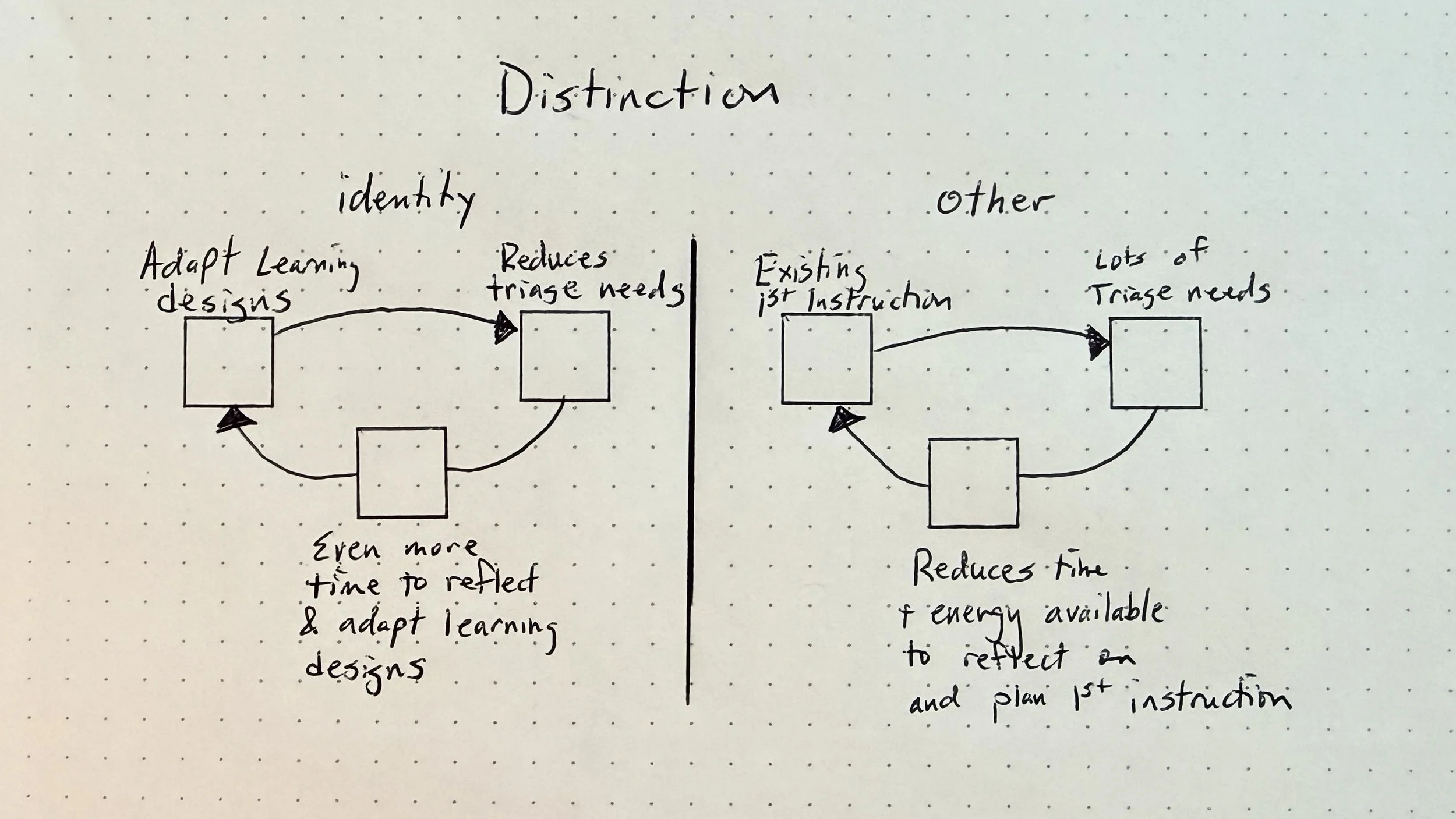
Map 7. Once the principal’s questions made this mental model clear to me, I could see that the status quo needed to become an other. If we wanted a Distinction that aligned with reality anyway. My map above is a simplification. Complex adaptive systems like a school community require a more complex causal web mental model to navigate major changes successfully.
I’m going to stop with this map, though I could keep going. I’ve used all the patterns(4), elements(8) and Dynamics(3). I know I haven’t explained DSRP Dynamics, but sometimes you need some concrete examples before something is explained in words. If you followed my maps, you already get it. And remember, DSRP was discovered, not created. In everyone’s moment’s of clarity we organize mental models and adapt them to fit reality. We just do most of it implicitly.
If you are someone like me without a ton of RAM, I hope you can see how essential it is to map mental models in a complex and changing world. Both for understanding and even more so for collaborating.
An Update Since
I mentioned Solution Bias in this post without defining it. Solution Bias is a non example of the Systems Thinking feedback loop, what Derek Cabrera calls the Love Reality Loop (LRL). A Systems Thinker uses the ST feedback loop or the LRL to check their thinking against reality. We explicitly mapping my mental models then testing them and checking to see the feedback that reality gives me about model accuracy. I am Loving reality when I accept the feedback reality provides unconditionally, and use it to adapt my mental models and the actions they inform. When I engage in Solution Bias on the other hand, I notice a problem and immediately begin to fashion a solution without ever checking my existing assumptions of the larger situation. When I do this I am not loving reality, but instead protecting my:
Assumptions which may be super inaccurate
Ego / sense of self-worth, which may be fragile
I suggest you don’t take offense or feel shame if these ring true, people implicitly pick these habits up. In some cases these are actually survival strategies.
I’d like to spotlight one Solution Bias false adaptation specifically: When things do not go as well as we expect, too often we try to go back and use strategies that seemed to work out in earlier scenarios. I’m not immune from this error, and have gone down some cul-de-sacs of stupidity because of it that are super humbling. I’m sorry to all who trusted me and toured one of those cul-de-sacs of hell at my side because I didn’t know how to more fully check my assumptions. I have learned 2 important lessons from these follies:
They highlight how little I really understood about those earlier successes
They highlight how hard it was for me to adapt my working model of the world as more static/frozen, to a perspective where I am acutely sensitive of the world as it really is- complex and ever changing.
I know of no substitute for teaming up with diverse partners to co-create evolving maps of our mental models. Especially for any situation that isn’t going the way we thought it would, or for situations where cavalierly failing forward just isn’t an option.
Before I give the hoop analogies a rest for a while, I’ll say that the mechanics of shooting a basketball have a basic order. DSRP mechanics do not have an order. Til next time, I’m rooting for ya!