13. When trying turns a skill off
Warm up
In this post I’m writing about an experience I had seven years before being introduced to DSRP. I chose this experience intentionally to follow up on my last post. You might want to read that one first if you haven’t, before reading this one.
While reading this post, you may notice that in my real world experience I’m talking about the Perspective pattern, without precisely identifying it. I did not use the word perspective in my descriptions here because I wasn’t aware of perspective-taking as an explicit skill back in the fall of 2004. Sure I’d heard of perspectives, and perspective taking, but I couldn’t see how it applied systematically to understanding any part of reality.
Some important data points from the Cabrera’s research on perspective taking as a skill:
People rarely take explicit perspectives
People rarely take multiple perspectives
People rarely take conceptual perspectives
In the study I’m citing, rarely was about 4% of the sample
If you feel comfortable mapping perspectives, I invite you to map conversations you are part of and do a ballpark analysis of the data to see how close your conversations are to the 4%.
Real World Example # 13
I started at a new school in my seventh year as a teacher. That year, I had all of the 9th grade students in Ancient History classes. All 44 of them. Early in the fall, I used a unit of study that included some readings and activities trying to help students understand Anthropology. The bulk of the unit was designed by one of my mentors. I had been using and evolving parts of it in the first 6 years of my teaching.
One of the writing activities in this unit asked students to look at any daily event in a school as if you were an alien from another planet. An alien conducting anthropological research. The idea being that an alien might have a vastly different take on what was happening at lunch, or during gym or shop class.
I broke out an alien mask to liven up the pre-writing discussion. The writing activity itself was a massive flop. Only one of the 44 students came up with ideas. The rest of the students could only see the daily events from a literal lens.
I reflected on this and created some small experiments during classes to try to explain why the activity failed over the next couple weeks. The data I remember most clearly from these experiments included:
The students could look at events using non-literal lenses when they were not explicitly trying.
The student that could do the activity using non-literal lenses had a healthy contempt for conventional schooling. He wasn’t at all convinced that applying himself in school had benefits. He did however build strong relationships with a range of school staff.
Overall, noticing that students could do something when they were not trying, and could not do it when they were trying, stunned me. However, none of my training to that point had prepared me to think about how to use this information to inform my teaching or further explore student thinking on this matter.
The experience was etched in my memory though, waiting like a seed for the right conditions to germinate.
DSRP Study 13: Reads / Mechanics
I cannot rule out that my ability to help students understand how to engage with this prompt was part of the problem. However, I don’t think this significantly changes my view of the problem. My maps for this post are designed to illustrate how I use the Relationship pattern to ask questions of reality. When we get potential responses for questions like these, we then have to rigorously test them to avoid Confirmation Bias.
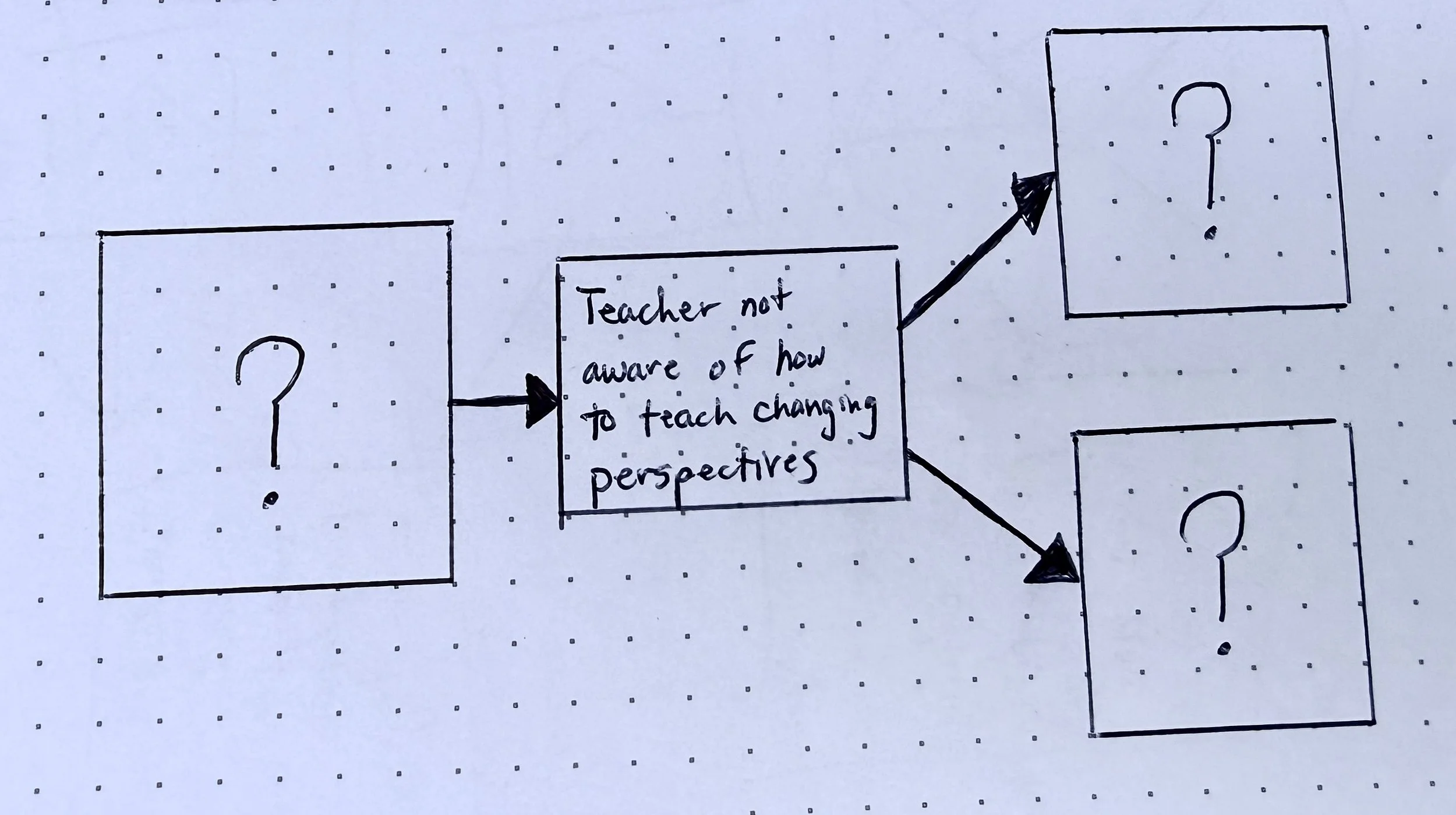
Map 1. There are many ways to respond to the questions in this map because reality is complex, not a 4 part relationship. Additionally, the point you use to look at this map will affect one’s responses as well.
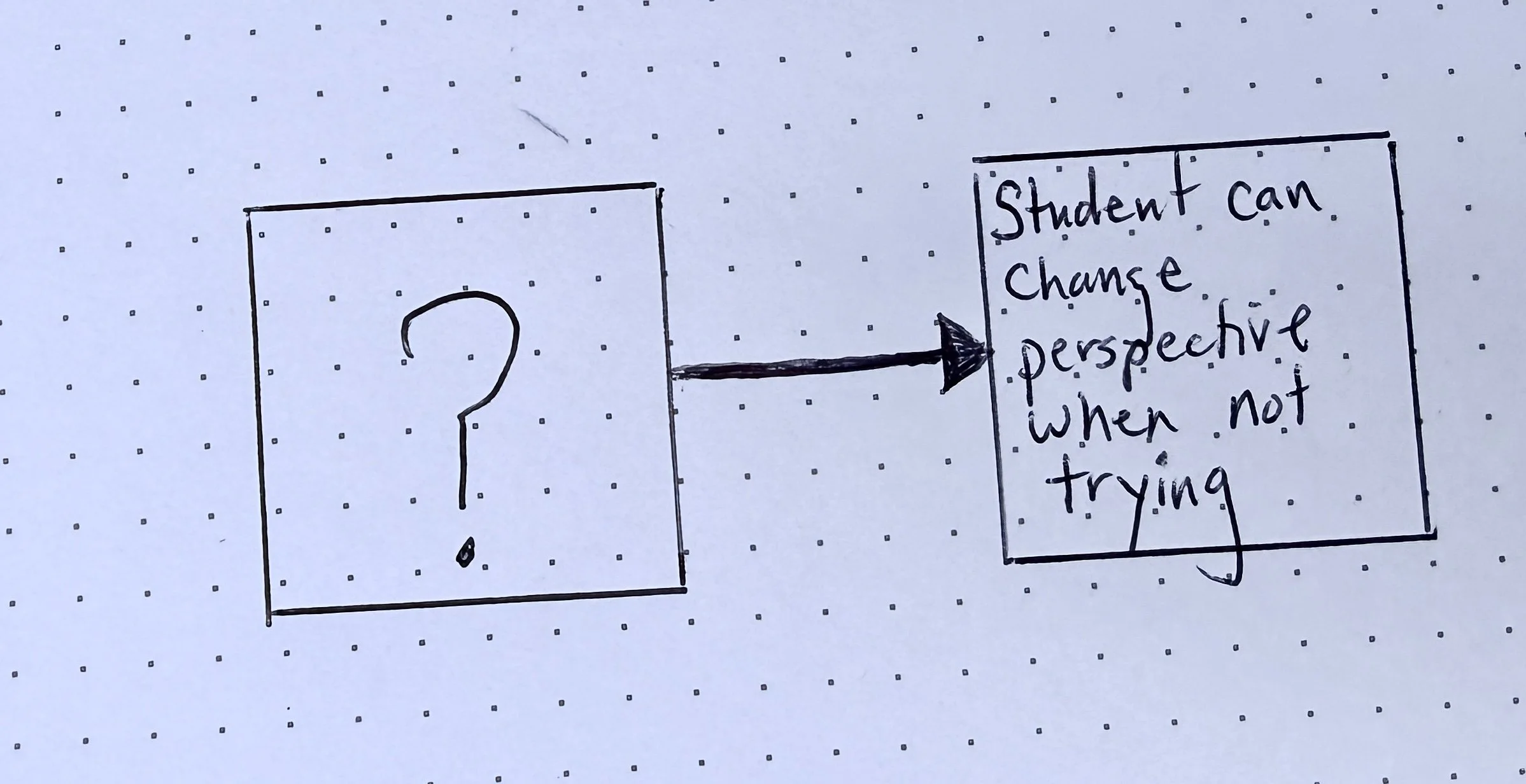
Map 2. What action(s) might lead to this reaction?
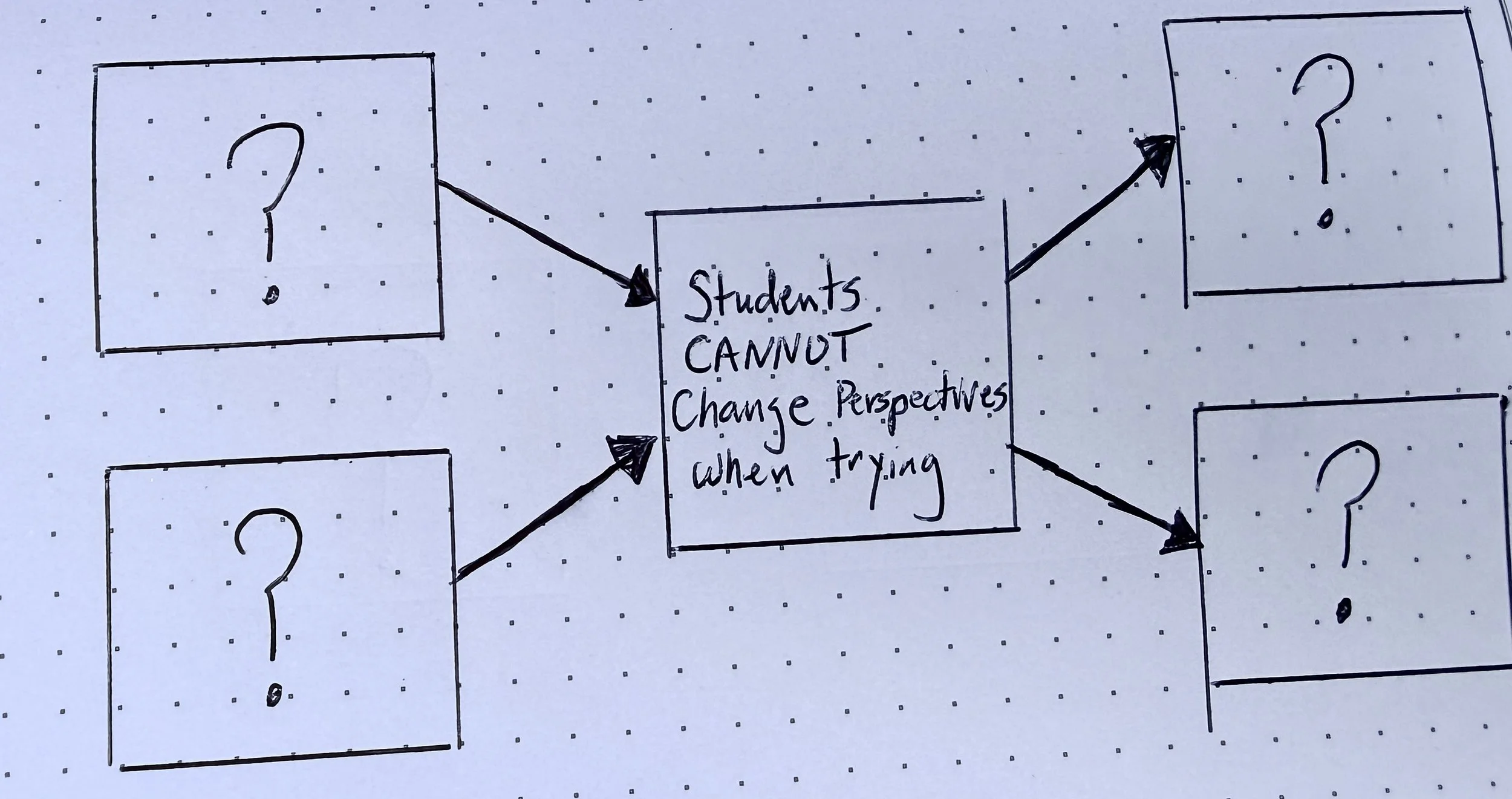
Map 3. I thought about Map 2 and 3 for years, they seemed like a critical bread crumb in a trail where the rest of the bread crumbs were missing.
Some Observations Since
For the last two years, I’ve been talking with education professionals about perspective-taking as a skill. I’ve done this with folks from K12 to higher education. In those conversations I often mention how important perspective taking is as a skill, and that we haven’t had a validated and reliable way to teach it until fairly recently. The number of times educators have probed this assertion with questions, countered it with a precise method for teaching perspective taking, or offered a method for checking one’s own perspective for accuracy is zero. Yet they all enthusiastically agree it is a critical skill. I’m still modeling how to move this problem effectively.
Sorry for the gap between posts 12 & 13. If you look at the website, you’ll see I have another segment in the works. I’m rooting for ya!