3. People get really angry when you ask that!
*Before I begin, I made a small edit to post 2. I felt the content I clipped might distract from the mechanics of organizing the information.
Introduction
In my last post, I discussed how I got stuck trying to understand a student because I didn’t have the skill to clarify what parts of that student’s perspective were clear to me, and what parts where still unknown. While many frameworks emphasize the importance of understanding the perspective of other people, they do not reliably define perspective. Only Cabrera’s DSRP-483 gives us a reliable and validated model to use mapping perspectives. A reliable model is needed so that our mental models are as accurate as possible. This is a big reason why I consider DSRP-483 a watershed theory.
In this post, I’ll keep my spotlight on perspective-taking practice.
Real World Example
One nice fall day after a Cross Country practice, I had a short conversation with a couple kids on the middle school team about how their run went. In the conversation, Abby a sixth grader, revealed that during part of the run a boy on the team had talked to her in a way that she found really annoying. As she described the interaction, I could understand her annoyance. Based on her description, he had been acting like a know it all in an area he knew very little. I continued the discussion with Abby and her friend, hoping to explore some possible strategies should the problem happen again.
As we spoke a little more, Abby began to relax. Then I said something that clearly ran counter to Abby’s experiences. I suggested the next time the boy started making similar statements, she might ask him, “How do you know that?” Her expression flipped to dead serious in an instant as she exclaimed, “People get really angry when you ask that question!”
I don’t think I’ll ever forget the look on her face or her response to my suggestion.
Discussion of the Example Using DSRP Theory
This is the third post highlighting the P in DSRP Theory, Perspectives. Some aspects of P research in the spotlight today:
The Perspective pattern is created by a point(element) interacting with a view(element)
Thus, when the point on a view changes, the perspective changes
While we generally conceptualize people as taking perspectives, quite often implicit ideas are the precise point a person is using as a lens on the view
When we are mapping our mental model, and we are only aware of the view-
We can ask ourselves explicitly, “What is the point on this view?”
Asking this question is a scaffold for our thinking. It prompts us to add information and structure our mental model. If you are more familiar with DSRP, you probably can identify some of the conceptual terms I’m referring to here.
Some additional sources helpful for modeling perspectives: CRL Perspective Circle video, CRL Pvp video, I love this comparative Pvp essay by Barry Lopez (Lopez isn’t explicitly using DSRP Theory, but he is doing an explicit perspective study.)
Now to the perspective study of the real world example.
To start the study, I’ll map Abby’s perspective as she began her report to me about the day’s run. An aside on process here: In the map below I have not written point and view on my map. The colored squares are the symbol in this mapping system for perspectives. Open squares with no colored square represent other elements in DSRP.
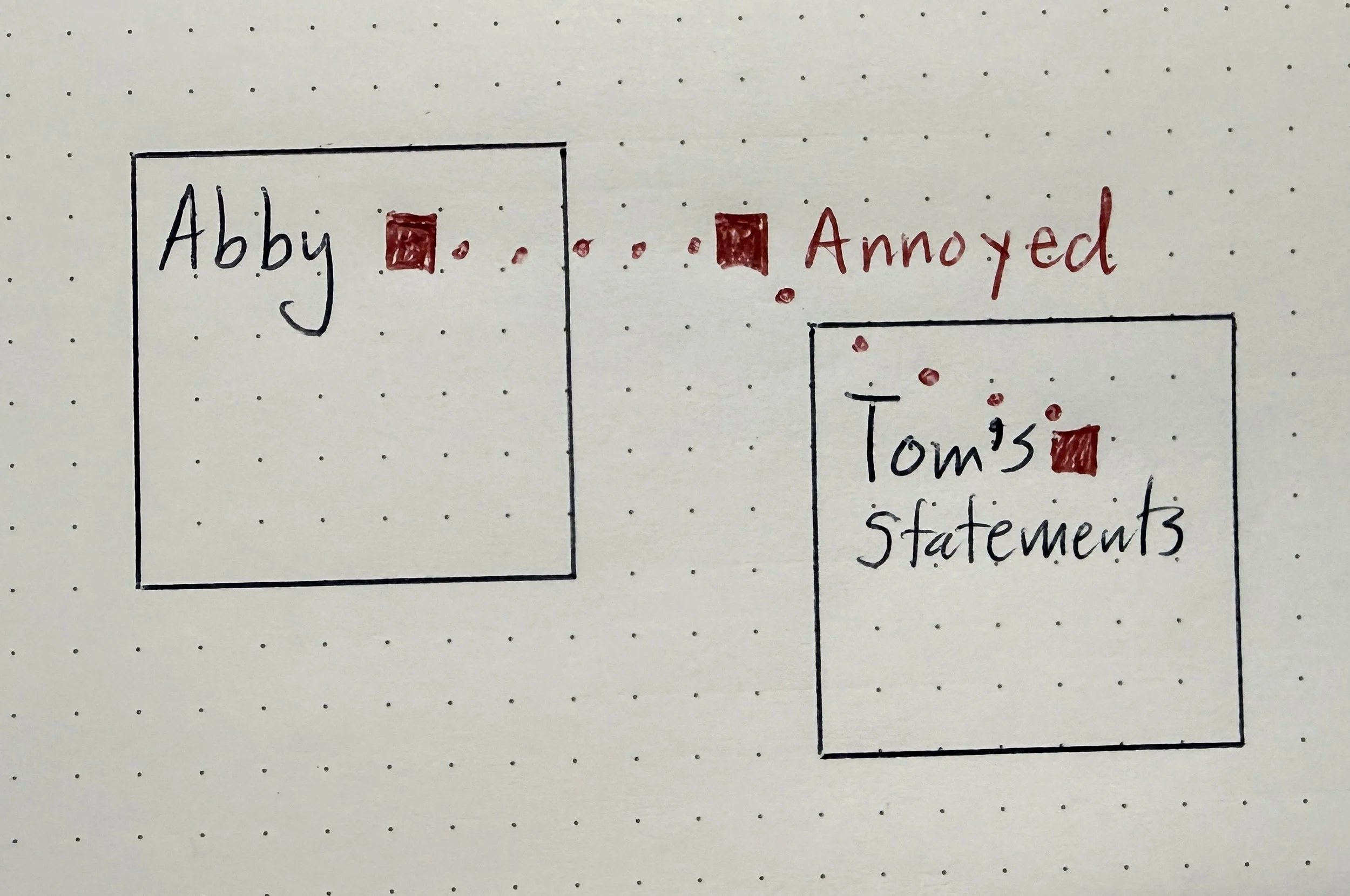
Map 1: Single perspective map of Abby’s Pvp.
Next, I’ve mapped my approximation of what happened during the conversation between Abby and Tom. To get to this map, I’ve taken two steps from the map above. The first step is I’ve added Tom in as a point. Since he was in the conversation, he should be represented in my map.
The next step I took mapping is based on what Abby told me, and my knowledge of Abby, Amanda and Tom. I’ve inferred more precise points in each of the perspectives. I am quite sure Tom was completely unaware of these points on the view: Conversation. I strongly suspect Abby had some implicit awareness of her point on the view, but was unaware that 1. Tom’s point was vastly different than her own, and 2. Tom was completely unaware of his implicit point.
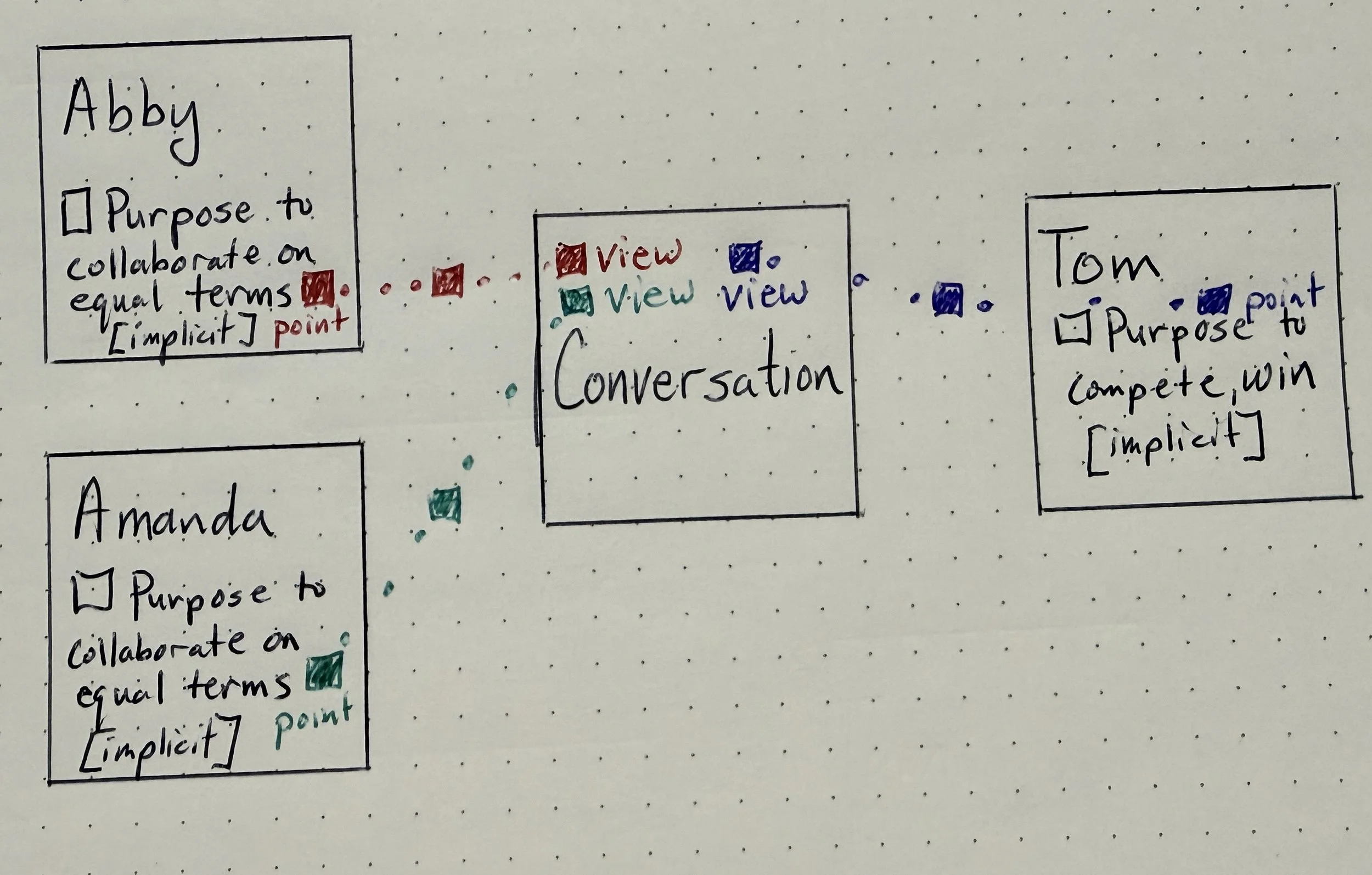
Map 2: My Perspective Circle on Abby’s report about her run. Purpose is a go to point for me (based on some other watershed models). Admittedly, there are times it should be ruled out.
Moving through this study, as Abby experienced our conversation, she started to relax. This was most probably caused by our points being more aligned than her own and Tom’s.

Map 3: Two points on the same view can create a shared mental model, without being identical.
Map 4 represents the part of this episode that has had an enduring effect on my thinking since it happened. To me, Abby’s reply that people get angry is generally accurate in many communities/cultures. Before going any further, I think it’s useful to pause on this perspective map.

Map 4: A map of Abby’s perspective on my suggestion.
After pausing on Abby’s perspective, I’d like to shift to modeling the perspective of people that get angry when asked, “Why do you think that?” As I create a perspective map with a point and a view, I start to wonder a few things. Chiefly, what specific conceptual point are these people looking at the question from that would result in anger? Additional patterns of DSRP would be needed for a more thorough examination of this mental model.
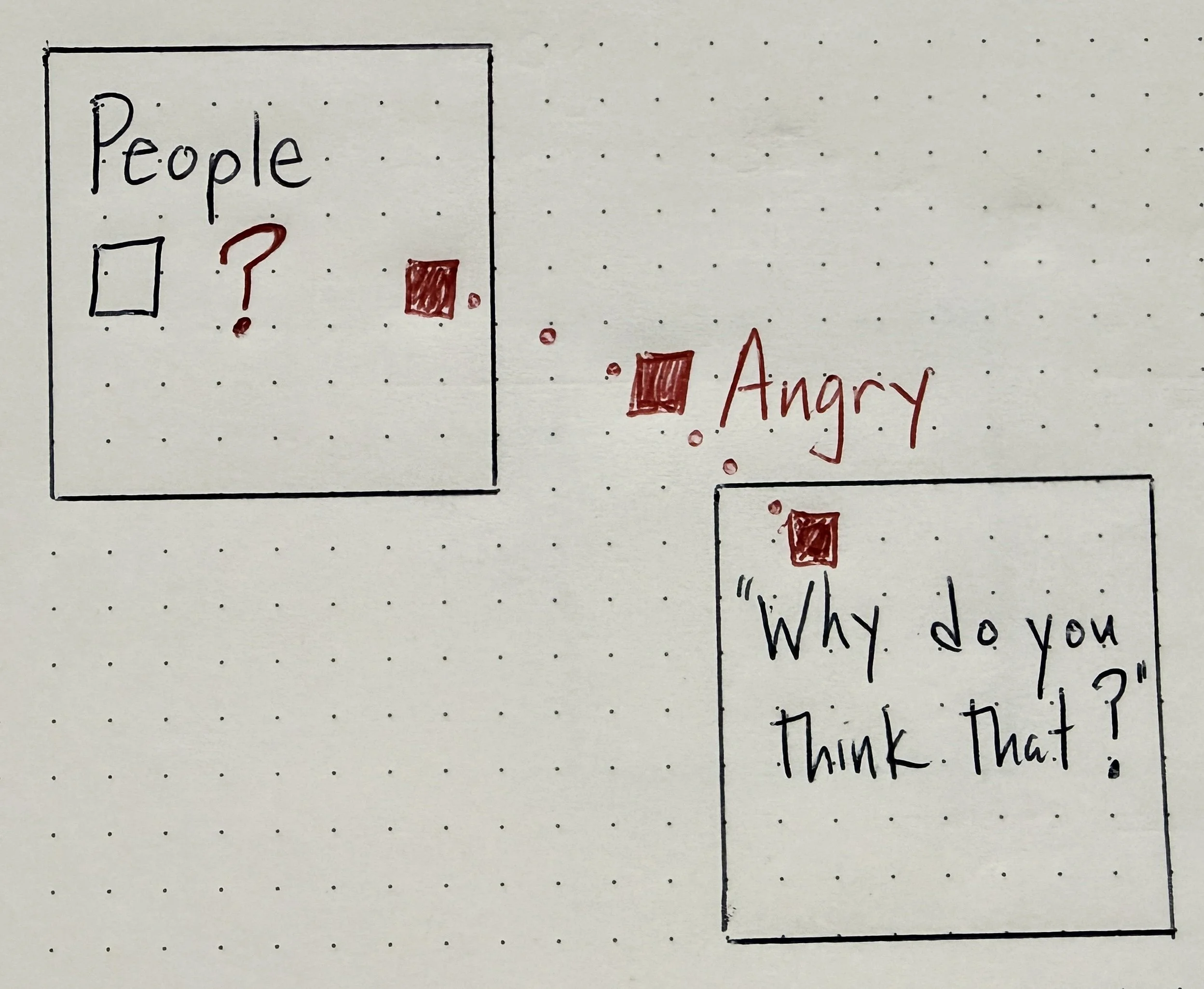
Map 5: I suspect there is more than one possible point that results in an angry perspective with this view.
How I’ve Continued to Update My Process Since this Experience
I am going to continue to use DSRP’s perspective pattern here for a map, even though it’s the D pattern- distinctions, that is really driving my decision. I think an important model to consider next is- What might the opposite perspective look like? Specifically, what point on the view, “Why do you think that?” would lead someone to exclaim, “I’m glad you asked!” Again, there are quite a few possibilities here.
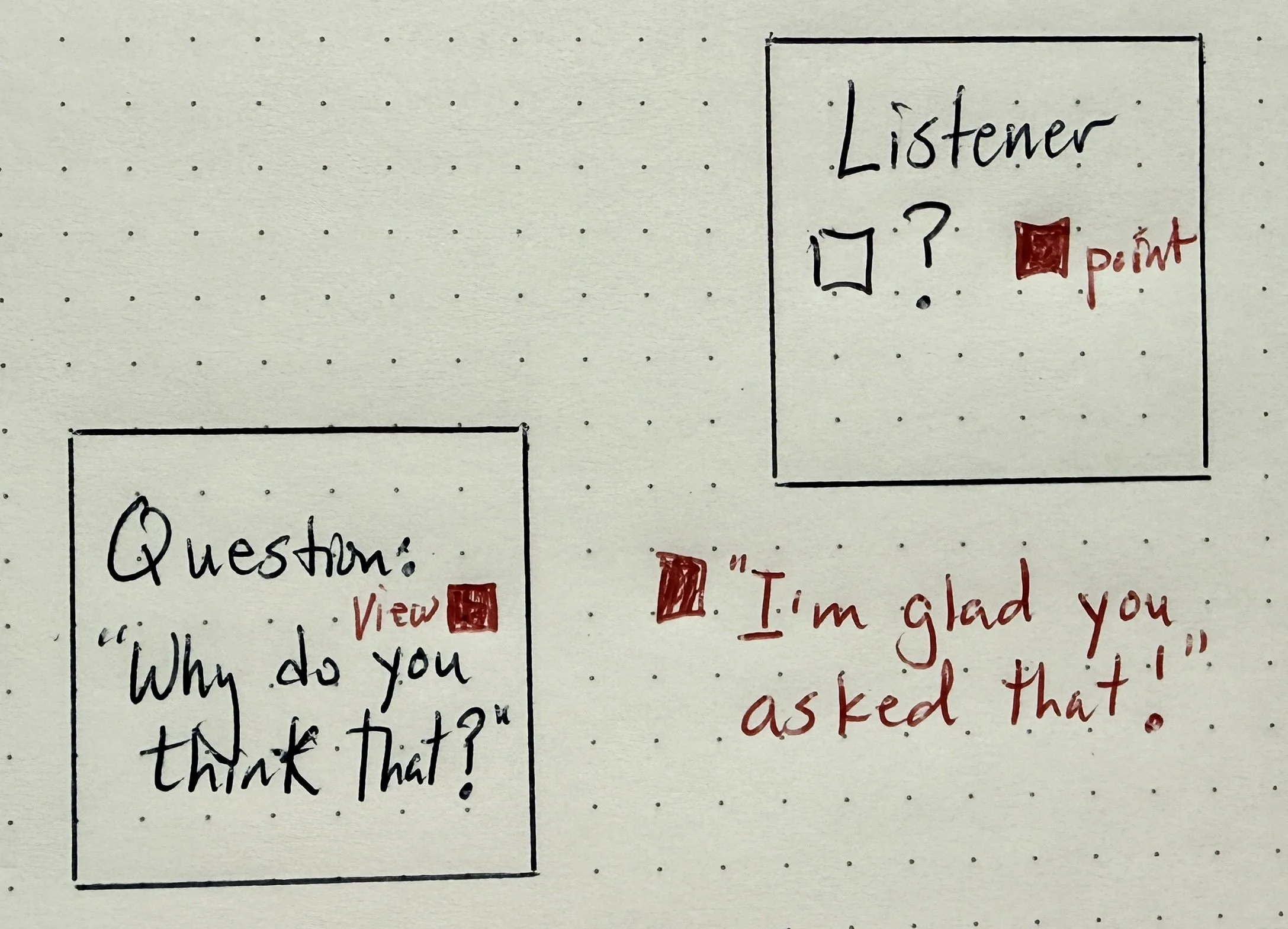
Map 6: What are possible points on the view here that make sense?
In my next post, I’ll begin to explicitly explore other aspects of DSRP-483. In the meantime, I’m Rooting for ya!