2. She’s right, she’s just looking at it from a different perspective
Introduction
Watershed Perspectives is a phrase I am using to describe a small ecosystem of empirically supported models that have dramatically changed the way I approach work and life. They have improved my ability to make sense of the world, successfully adapt to challenges- including the challenge of empowering diverse learners. For me, the most important model is DSRP-483. It is the key I use to unlock all other models.
This post, like my first one a couple weeks ago, spotlights the P in DSRP, Perspective. Though I’m starting with perspectives as an organizing pattern, I will explore the rest of DSRP-483 later. All four patterns in DSRP are equally valuable and actually inseparable.
Real World Example
Note: Names have been changed.
Early in my journey of understanding perspective as a specific skill, I was working with a group of middle schoolers on a Civil War lesson using a narrative text. In this particular lesson, I was using questions to guide a discussion. We were mapping answers to the questions on an X and Y graph, where each axis represented a theme. After one early question Julie, a student responded with what I initially took to be an incorrect answer. I took a long pause considering her reply as I felt some internal tension waxing. The tension I felt was created by the thought that I was near certain Julie had done the reading.
As my pause stretched out, another student, Casey spoke up saying, “Mr. Hathaway, Julie’s right. She’s just looking at it from the Pennsylvania soldier’s perspective.” Once Casey spoke up, Julie’s response made perfect sense to me, and my tension started to wane.
I realized I had been stuck because I was using the Maine Solider’s perspective from our source text as if his were the only one. Why was I doing this? Because I strongly identified with the Maine soldier. Fortunately, what followed was an excellent class discussion about perspective taking. Before I go further though, I’ll add that after I updated my understanding publicly, I looked over at Julie. She met my glance with a mildly indignant expression, which I no doubt deserved.
Discussion Using DSRP Theory as a Lens
As in my first post, I’m going to highlight the P in DSRP Theory, Perspectives. A few ideas to review:
DSRP Theory outlines the discovery of 4 universal patterns of cognition: Distinctions, Systems, Relationships, Perspectives
Each of the 4 patterns contain paired elements
The Perspective (pattern) is formed from a point(element) on a view(element)
When the point on a view changes, the perspective changes
Most people are only aware of the view while perspective taking
though we generally conceptualize people as taking perspectives, concepts can also used as the point on a view in a perspective
Now to the perspective study for this post’s real world example. In this study, I’ll map my initial implicit perspective and note how it shifted. Then I’ll break down Casey’s perspective and finish with a map combining the perspectives.
First off, going into the lesson that day, I had prepared some questions for discussion. This preparation contributed to my walking into class with an implicit bias about what made for right answers to those questions. It looked something like the map below.

Map 1: While I'd like to say my lack of awareness here was totally due to that fact that I was still super green with DSRP, I still get turned around at times. When I’m turned around, collaborators and DSRP maps are invaluable. I’d also say my thoughts here overlap with what psychology calls Expert Bias, and what Buddhists call expert mind.
After Julie raised her hand and responded to the question, my point both changed a little and became explicit.

Map 2: My mental model while considering Julie’s response. The students observed an extended silence.
I do feel relieved that in this moment I didn’t default to being the teacher completely mired in single perspective thinking and unable to get unstuck. If I had, I would’ve considered Julie wrong, and argued my case from a position of authority. From what I can see, single perspective thinking and too much power to determine what is considered singly right is a dangerous combination. I’d say power wielded in this fashion twists the simple threads of complexity into complicated tangles and miserable knots. These tangles and knots demand obedience, and often hobble skilled thinking. (More on single perspective thinking in later posts.)
Anyway, as my silence persisted, Casey was modeling my interaction with Julie. He accurately inferred the cause of my silence and spoke up to clarify the problem with my mental model.
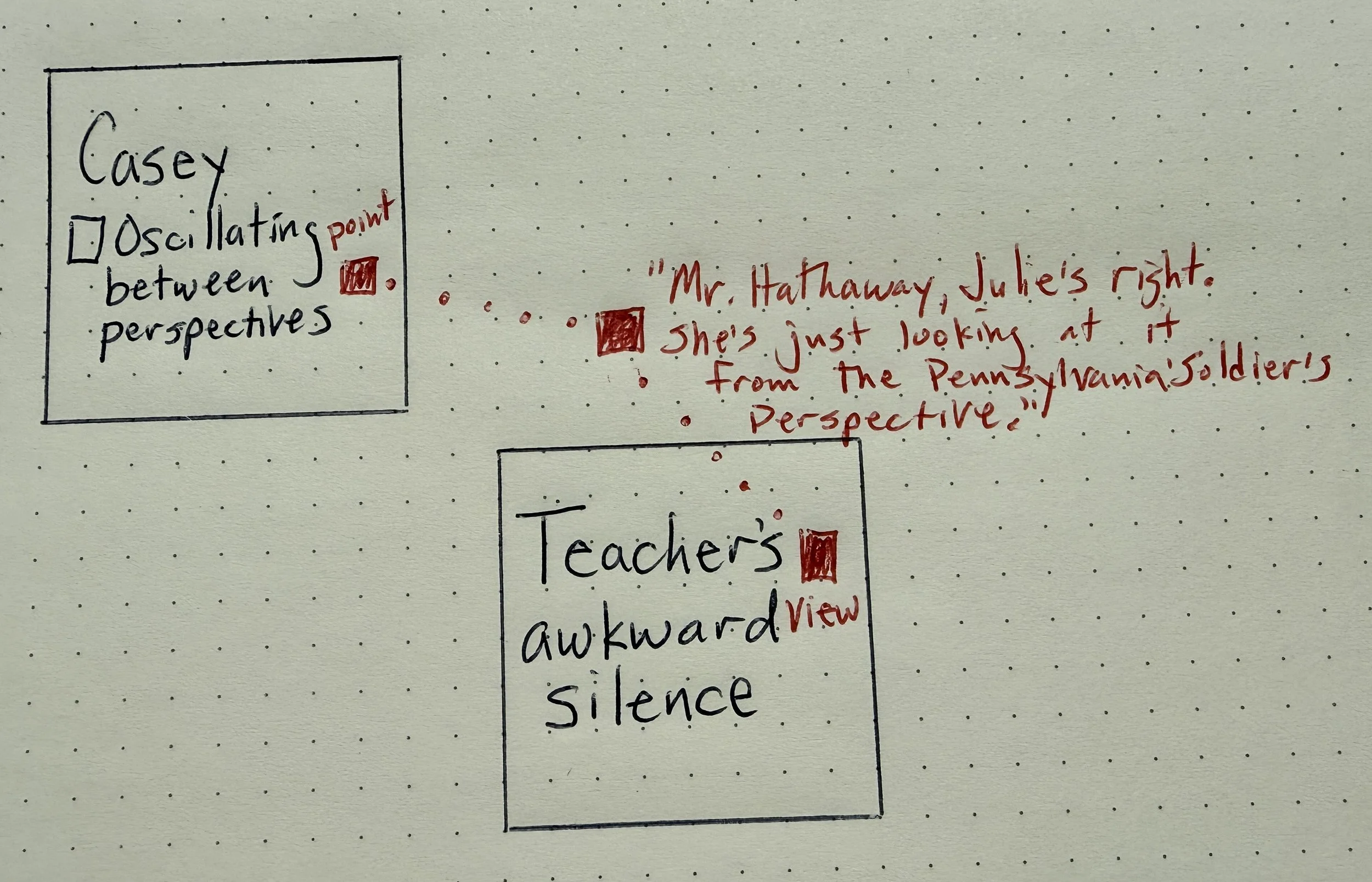
Map 3: Casey’s perspective using another simple point, view, perspective map.
Considering all these mental models together in one map, we can see clearly that Casey’s points and view allowed him to have a more accurate mental model than the teacher. Critically, my mental model, labeled teacher, neglects the point Julie. Big sigh. Casey’s perspective includes all the action, and his point has both soldiers as sub points.
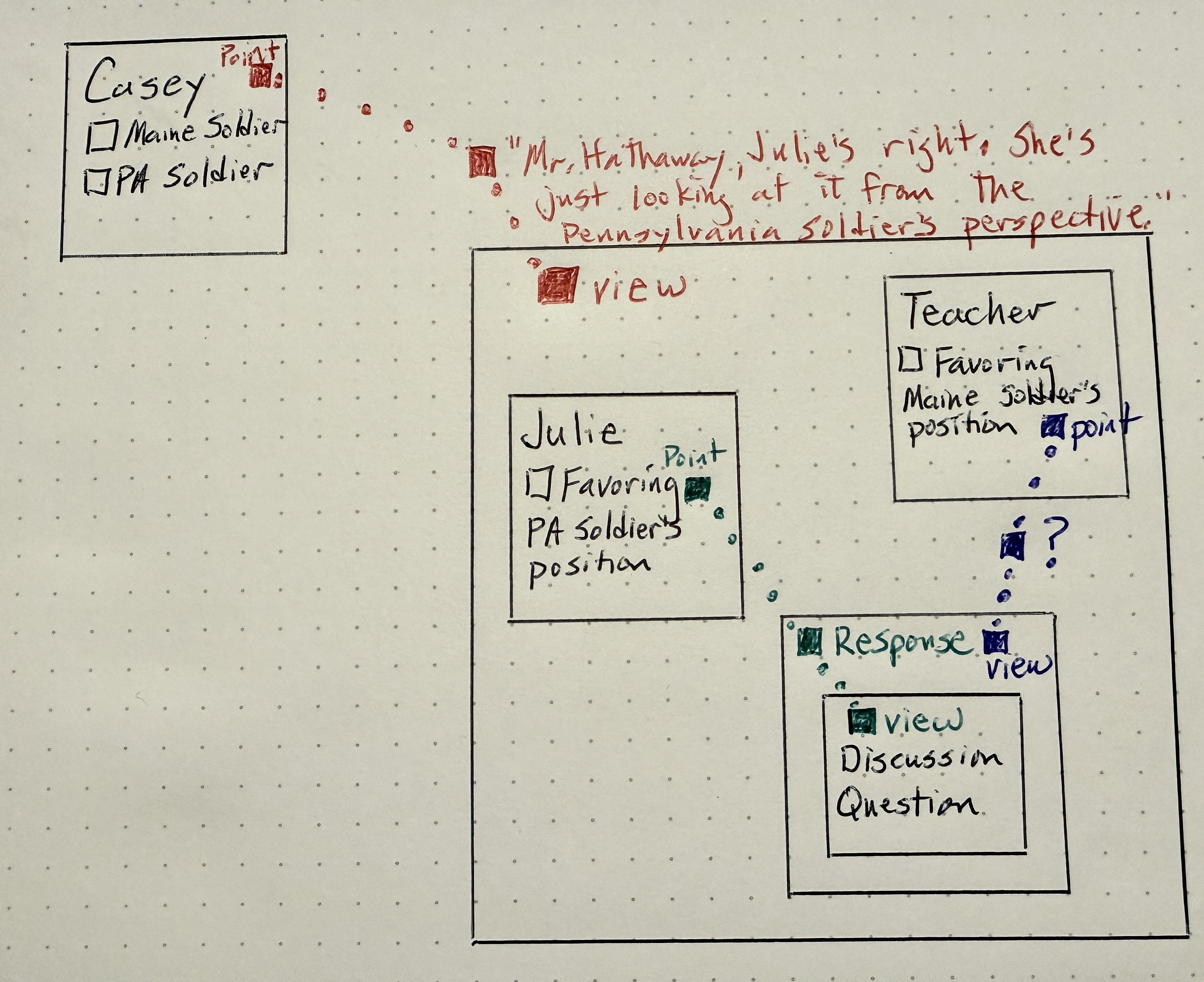
Map 4: The 3 perspectives in one map.
My Updates Following this Experience
Perhaps the most important conscious update I made that year was in how much I explicitly used questions. From then on in conversations, any words or phrases that could be interpreted in multiple ways were a cue for me to ask questions until I got a response that had a single interpretation. Even more directly related to this experience, I also learned to gently question any statements that didn’t match my experiences. Initially, I was so intent on these approaches, it took me a little while to learn to ease off when people couldn’t provide a concrete response after my second question.
My definitive goal in both questioning strategies remains the same today: Learn something new from this person either about the world, or about their perspective. When I think and talk from learning as the point in my perspective, good things happen at a high rate with students. The approach isn’t quite as successful with many adults though, for a variety of reasons.
Overall, my questioning adaptation at the time was largely grounded more in a feel for DSRP than in its precise dynamics.The difference now is that I can more consciously use DSRP patterns and elements to structure my questions. I cannot emphasize how much feedback from middle schoolers helped me improve and feel confident using DSRP. I adapted until they responded with powerful observations and learning.
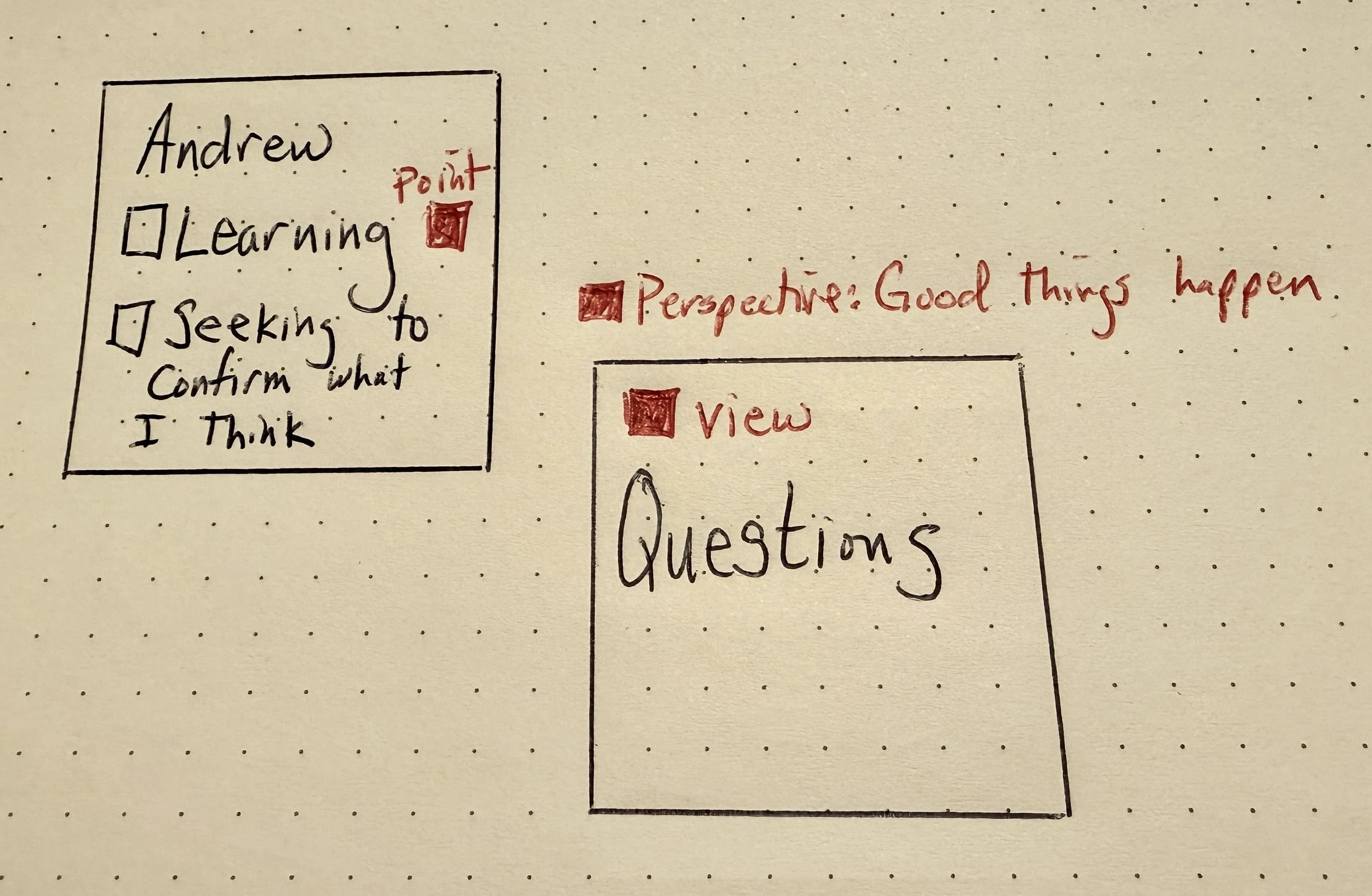
Map 5: Looking to learn something new in a culture rife with systems profiting from confirmation bias is no easy task.
Though I am acknowledging the importance of understanding perspectives, I am NOT saying that every human perspective aligns accurately with reality and is an equally valuable model. First off, we need to keep in mind that to think about something we must clip out a chunk of reality. Thus all mental models are wrong if only because they are incomplete representations of reality. This is an observable certainty. Second and as important, many perspectives are not only incomplete, but there is a chasm between them and what is observably true.
However, even wildly inaccurate models can be useful, especially for a teacher. Let’s consider an analogy to illustrate why. If someone calls me on the phone asking for directions to place B, I need to know where they are starting the journey from. I cannot give someone directions to place B if I do not know departure location A. The same is generally true when trying to help someone adapt their mental model toward increasing accuracy. I need a precise mental model the person is starting from to know how to frame helpful questions. A person’s responses to my questions need to connect new understanding to their existing real world schema. And every step they take using my questions is a chance for me to mirror updating my model when they identify anything I hadn’t noticed before. Sometimes they simply brush the dust off something I did know, creating a wonderful shine that I’d forgotten about. This is still valuable. All in all, I’ve found the better my questions and more open I am while listening, the more likely we get to win-win, or more precisely- learn-learn.
Any questions, drop me a note via my contact page. More in about 2 weeks. I’m rooting for ya!
There is a list of sources for reference / further reading on the References page that I will regularly update.
Some additional sources to consider:
I love professional photojournalist Amy Vitale’s take on multiple perspectives and truth in this interview.
*Small edit to the original post. I clipped a continuum move, felt the content might distract from the mechanics.