1. Get over it, that’s the way the world is…
Introduction
Since this is my first post, I need to try to orient readers to my frame for the website. Here’s my basic idea- there are some empirically validated models gathering steam over the last 30 plus years that ought to be used by more people, more often, especially in education. Why? Because practice and skill using these models as lenses improves one’s ability to understand, act and adapt in powerful ways. I’m calling these models: Watershed Perspectives.
So the work here is this: 1. Practice using empirical models to improve my own skill so that I might improve in real time in real world situations as well. 2. Offer my reflections on this practice to help others commited to evolving as a thinker, learner and communicator. 3. Pay attention to the feedback created by the work here so I can use it to inform continued growth.
While the medium and potential audience here is new, the formula isn’t. I’ve been using the same formula to learn and grow with students, colleagues, and friends for the last 15 years.
To help myself and the reader I will try to use three strategies consistently. 1. I’ll start each reflection with a real world example to ground the more abstract empirical model. 2. The basic organization of the posts will be the same. Some structural continuity should reduce the effort needed to make meaning of the content. 3. My process will be iterative, so where the organizational continuity falls short, hopefully my practice will improve some other aspect of the work.
Real World Example
I was teaching a middle school Humanities class some time ago. We had established a routine strategy of analyzing history using justice as a theme. One day during a class discussion we were trying to distinguish just actions from unjust actions in a particular historical episode.
Not too long into the discussion one student, Jessica blurted out, “I don’t see why we are even studying this!”
I paused a moment, realizing her perspective was not clear to me. I replied, “When you say you don’t see why we are studying this, are you referring to justice?”
“Yeah.” She responded and continued, “Adults tell me to just get over it, that’s the way the world is.”
I paused again, longer this time. Letting the meaning of her words fully click into place. Then I said, “You’re right, adults do say that a lot.” I continued as gently as I could, “Maybe try not to be one of those adults.” Next, I scanned the room. The rest of the students were fully attentive to the exchange, clearly wondering what I would say next. I looked around making eye contact with all the other students and asked if they understood Jessica’s perspective. Most gave me an affirmative nod. I continued, “Okay, we are not going to get anything better than that today, we are done.” I then sat down and let the student’s choose how to spend the remaining time. They first acted a bit surprised, then relaxed and milled about quietly until the bell sounded.
Before that day, Jessica had not committed to engaging with learning in my class. She had been at best, reserved. She was fully engaged the rest of the year. I worked with her again as an 11th grader and she continued to actively engage at a high level. One day during her 11th grade year I asked her, “Remember when you made the comment about justice back in middle school? What happened in that moment for you, how did it change things?” She thought for half a minute or so and answered: “You really listened to me. I felt understood.”
Discussion of Example Using DSRP Theory as a Lens
I consider Derek Cabrera’s DSRP-483 Theory a Watershed Perspective. DSRP Theory is an empirically validated model of Systems Thinking. DSRP-483 dramatically changes our ability to explicitly structure our thinking, learning and communicating. The D, S, R and P are patterns: Distinctions, Systems, Relationships and Perspectives. Each of these four patterns are made up of 2 elements. Every Distinction contains an identity and an other. All Systems are wholes made of parts. Each Relationship contains an action and reaction. All Perspectives contain a point and a view. When we are aware of these patterns and elements, we can ask questions that help us better understand the world around us.
Additional sources on DSRP Theory: Primer Article, Cabrera Lab Podcast, DSRP in 5 Minutes Video.
In this post I’m going to highlight the P in DSRP Theory, Perspectives. More precisely, I’m going to try to spotlight my own mental model of Jessica’ s perspective as it developed in writing and visual maps.
According to DSRP Theory, every perspective is a point on a view. Given this model, when we change our point on a view, the perspective changes. Additionally, DSRP Theory research provides empirical evidence supporting that most of the time while people are explicitly aware of their view, they are usually unaware of their point on that view. The point then is usually implicit at best. Finally, I want to make the reader aware that while we might favor thinking of a person taking a perspective, ideas/concepts are also used as the point on a view in a perspectives.

Map 1: Every perspective is an interaction between a point and a view. In regular conversations, people rarely clarify the elements of perspectives.
Returning to the grounding example, I was facilitating a class discussion with a group of middle schoolers. At one point, one student revealed her perspective on part of the discussion with the words, “I don’t see why we are even studying this.” My first recognition was that I wasn’t clear on her use of the word “this.” Was she referring to the specific historical case study, or justice? So I asked a clarifying question. By doing so, I was making sure I understood the view element in her perspective.
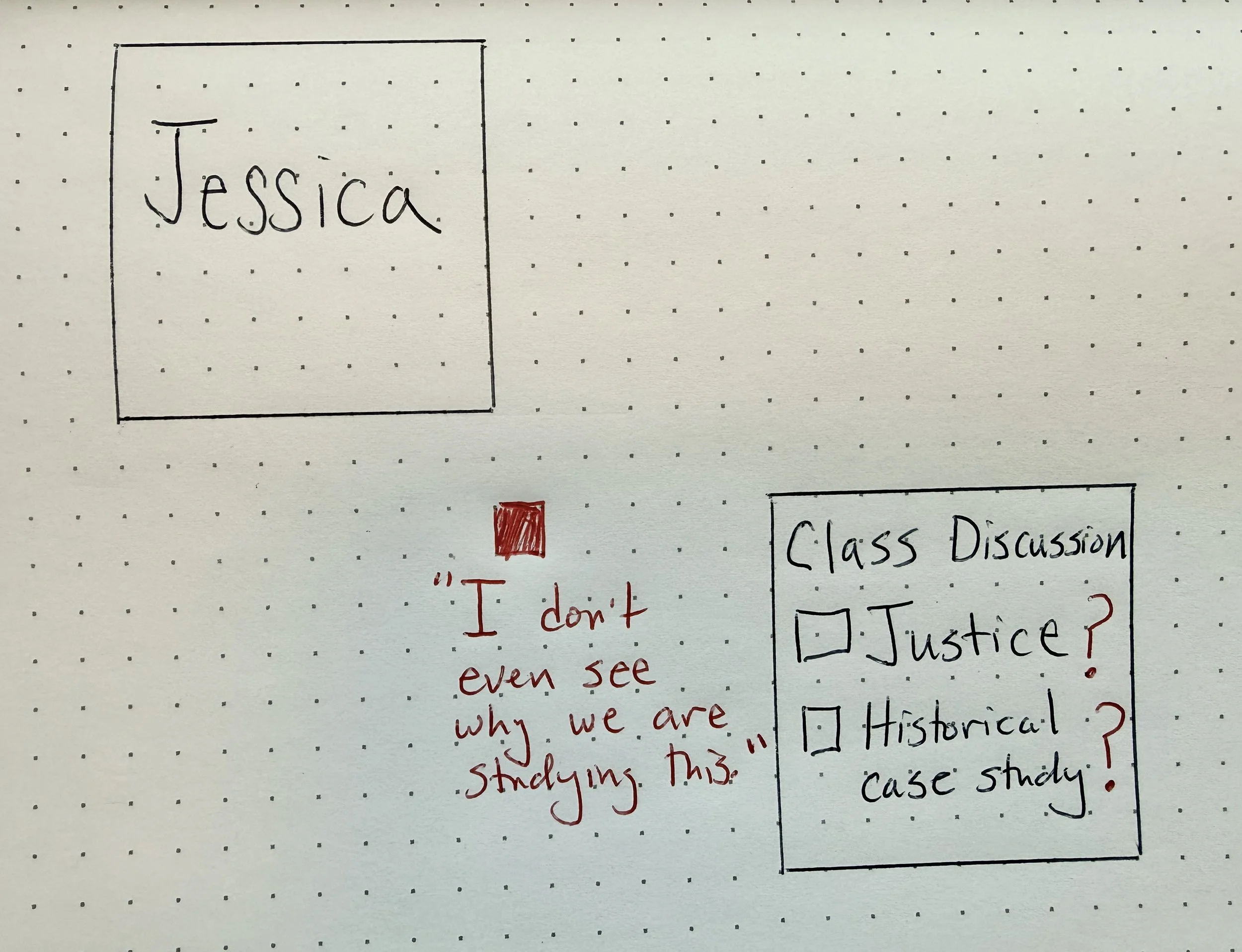
Map 2: My initial mental model of Jessica’s perspective
Her response to my clarifying question confirmed I understood her view, she was indeed focused on the concept justice and how much attention it was getting. She didn’t stop there though, she also made the point she was looking from explicit as well: “Adults tell me to just get over it, that’s the way the world is.” Once I understood both the point and the view of Jessica’s perspective, her statement in class made complete sense to me.
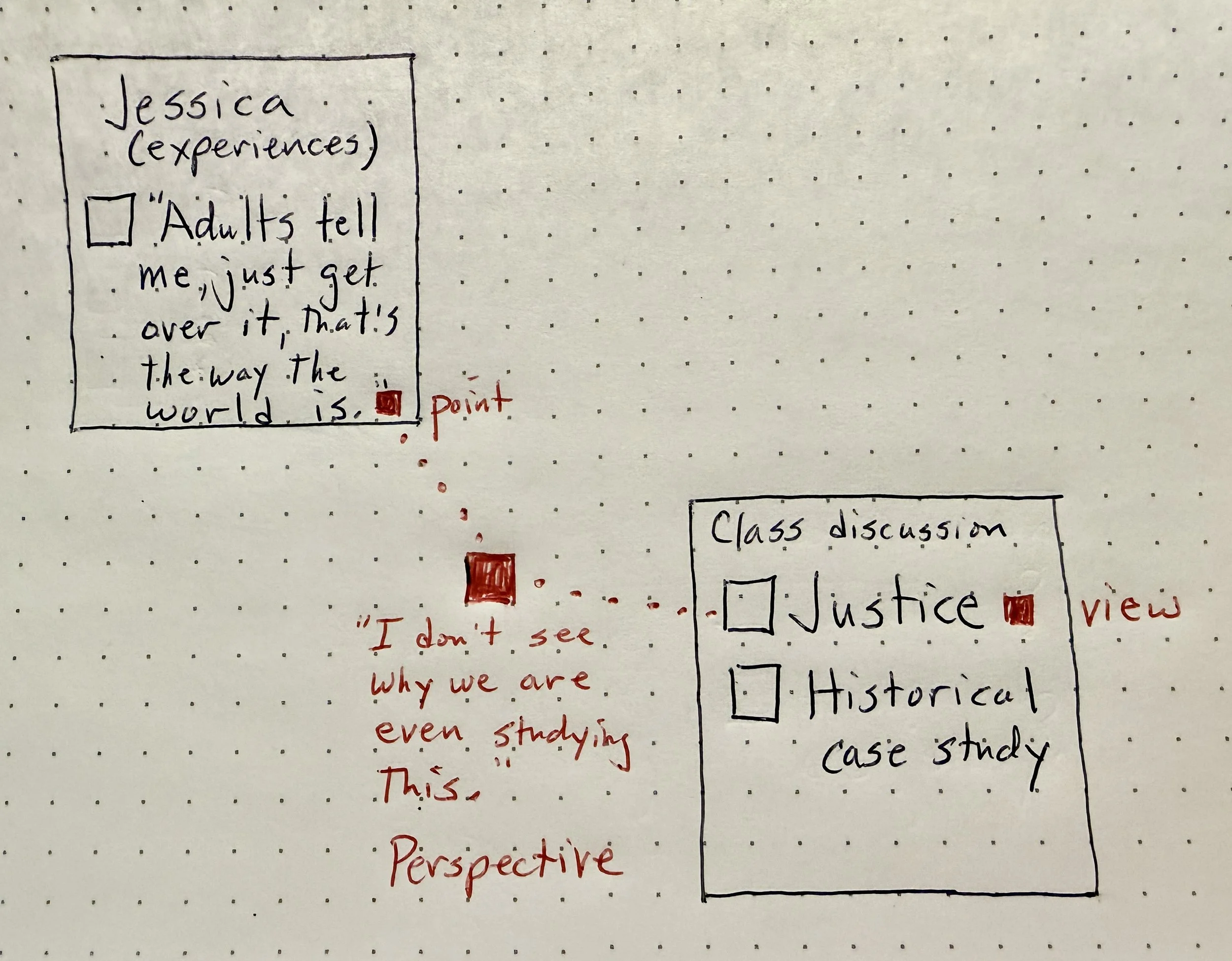
Map 3: My mental model of Jessica’s perspective after her response
Our class conversation was highlighting actions that supported justice. During this discussion, Jessica was using her own experiences as a lens on the class conversation. In doing so, the most salient experience she thought of was that adults don’t use justice as a lens as much as the teacher’s (my) lesson might suggest. In her experiences, adults are apt to preach "Get over it, that’s the way the world is.” Jessica was not willing to ignore this contradiction, and she spoke up.
Admittedly, I was super clumsy as a DSRP practitioner when this event happened. However, three really important adaptations were set in motion that day. 1. My use of DSRP observably improved my ability to understand a student. 2. In Jessica’s case, increased understanding lead to a sense of student self-efficacy that supported her positive engagement in my class for the remainder of that year, and more. 3. This super concrete win affected the way I approached understanding students. I’ve been trying to improve as a DSRP practitioner since.
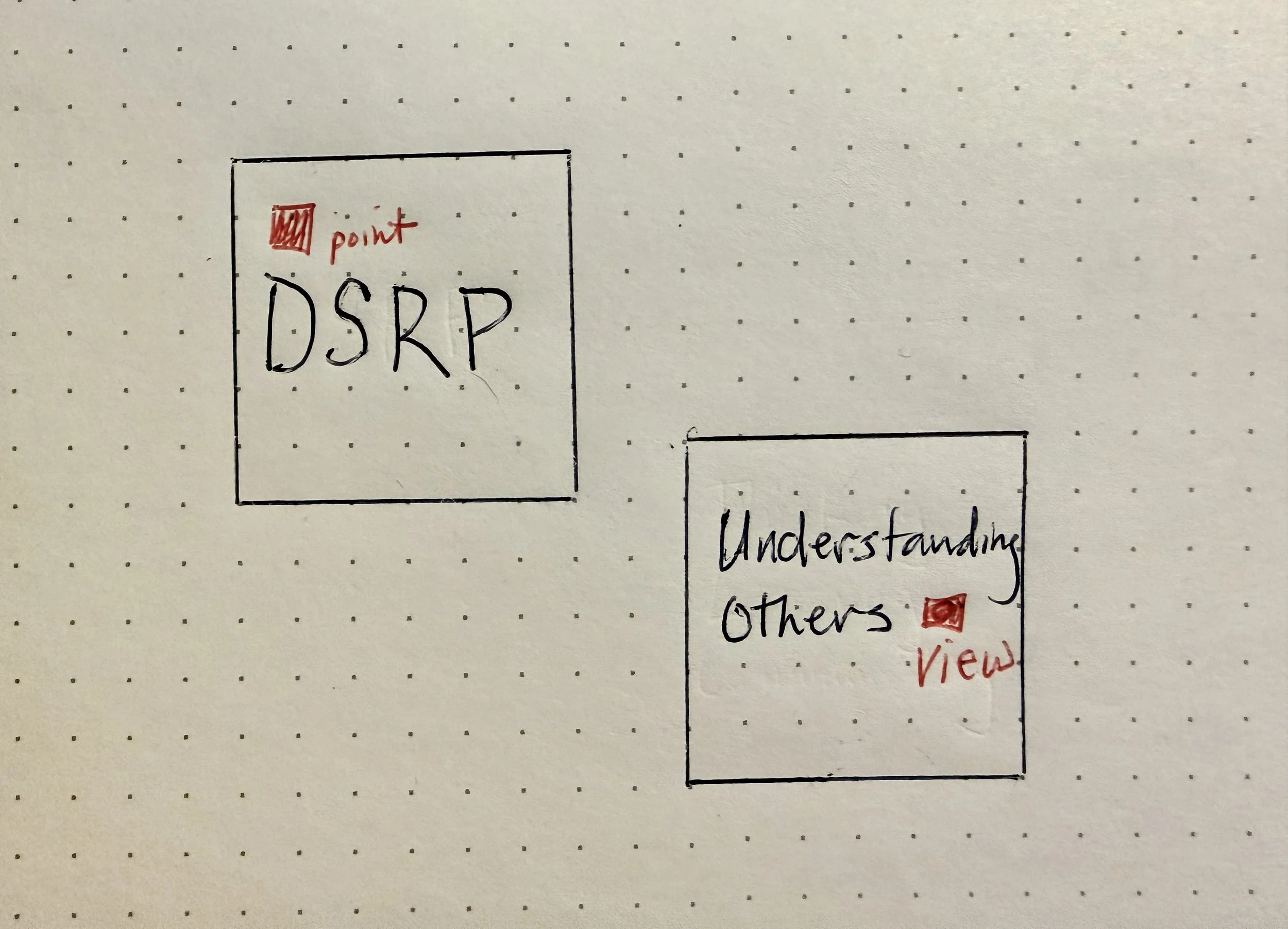
Map 4: DSRP as a lens to better understand others.
In my research and professional experiences, I’ve encountered many educational frameworks that identify perspective taking as a critical skill. That is as specific as they get though. DSRP Theory is the only model of perspective taking I’m aware of that reliably defines the skill’s distinct parts in ways that can be practiced and self-assessed across the human experience.
Further Updates to my Mental Model
In my reflections on this class episode that day and a lot since, I’ve thought to myself, “Thank goodness my focus was on her actual words, and not the tone of her voice or the manner in which she barged into the discussion.” This thought was generally followed by my cringing at the recognition: How many times in the past had I shut a student down when they were saying something important because I was too focused on their tone, rather than the mental model their words were pointing at? This is not to say that I’m still not impulsive at times and vulnerable to making poor assumptions about other people’s mental models.

Map 5: When this grounding example occurred in my class, I was a new DSRP practitioner. The map studies in this post are not something I could have done then with the same precision I am using today.
Taking the time to reflect and write this is also an opportunity to update my mental model. Given my reflections, I can see that my initial assumptions about her delivery being brash was inaccurate. Today, It seems clear that such a glaring contradiction between an adult’s class lessons, and then other adult real world lectures could logically lead an adolescent to an emotional response of exasperation at the very least. I wish I had been able to develop this idea the following day and the remainder of the year with that class. Hopefully, I will make the most of similar opportunities in the future.
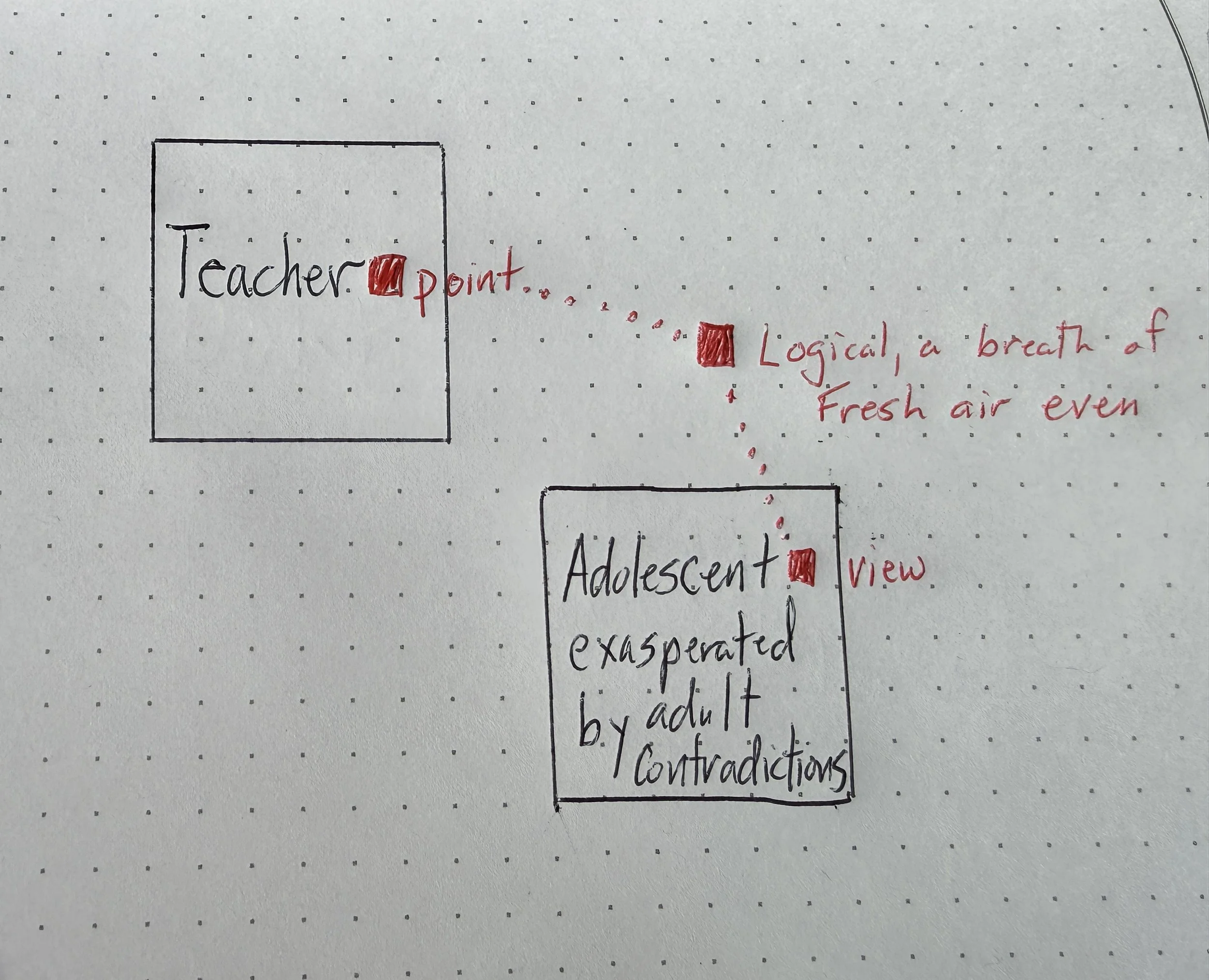
Map 6: Though not in this map, Jessica’s skill with DSRP’s Distinction pattern is also evident in this example.
As the caption to Map 6 notes, there is more in this grounding example that deserves attention. I’ll return to it again in later posts using other lenses. Hope to post again in about 2 weeks. I’m rooting for you!