11. Don't think like other adults
Warm-up
At any given moment, I am trying to make sense of my interactions with the world around me. During this process, I’ve found that using research models as lenses on the world helps me align my understanding of anecdotal experiences with science. While using research models as lenses takes some practice, I’ve found that the practice is well worth it. I’ve also found that skill using DSRP Theory makes using any other theory in real time much easier.
According to DSRP Theory, a Perspective is the interaction between and point and a view. In a purely visual sense, this is easy to recognize. What I see depends on my point on the view. If I’m looking at a bird from the side versus from below, what I see is different. The same thing is at play when points on a view is multiple concepts.
In today’s post I’ll talk about a practice I used to improve my perspective taking. It is my default practice when working with students, and I’m trying to broaden this to all collaborators. When I am trying to understand student perspectives with precision, I’ve found that the feedback they give you will improve your skill at perspective-taking, help your individual students feel connected and improve your overall community culture.
You’ll get some of the same results in most communities; perhaps not in cultures that default to competition and conflict though.
I’ve found perspective-taking in larger group discussions takes practice, and requires a fair amount of RAM and energy. Especially if most people in the group cannot see perspectives at least implicitly. As more people in a group gain skill at explicit perspective-taking, different people tend to make points and views explicit as a matter of habit in discussions. As this occurs it gets easier and easier for larger groups to understand and actually share perspectives (as opposed to just sharing loyalties).
To finish this warm up, while I’m talking about perspectives, I’m also talking about what happens when you get better at using the Perspective pattern. Because I’m focused on the action-reaction of perspective taking, most of my maps in the DSRP study will be Relationship maps. If you would like to review Perspective mapping using DSRP, you might go back to Post 1, Post 2 & Post 3.
Real World Example
Sometime ago, when I was working with middle schoolers I had an idea that turned out to be game changing. I decided that every time a student said something that I initially thought was "off task” I would pause. During that pause, I would try to understand how the student’s statement made sense, instead of immediately assuming that the words were astray and the student was indeed off task.
This change provided me with excellent perspective-taking practice. As I looked for how a student’s words were connected to what was being said, I modeled listening to understand for my students, instead of modeling impulsively ruling in or out based on my preexisting expectations. Through this effort I found that my students were rarely intentionally off task. Most just had a poor mental model of perspective-taking as a precise skill; and their poor teacher needed more practice using perspective-taking explicitly as well.
As I worked at it, I improved at the skill steadily, though not linearly. And as I improved, the quality of our class discussions improved. Even on my bad days, students were much more patient. We all found that diverse perspectives are a windfall once more and more people in a group get a feel for reading the perspective pattern quickly, asking questions to ensure accuracy and sharing our evolving mental models. All in all, it lead to a lot of memorable moments.
One of these moments happened during a discussion with 8th graders. I was listening and modeling perspectives particularly well that class. At the end of our discussion, a student that was highly sensitive to change and not particularly fond of school said something that made me really pause. Before the end of discussion pause could signal a transition, he broke in with the observation, “You don’t think like other adults.”
DSRP Study 11: Reads / Mechanics
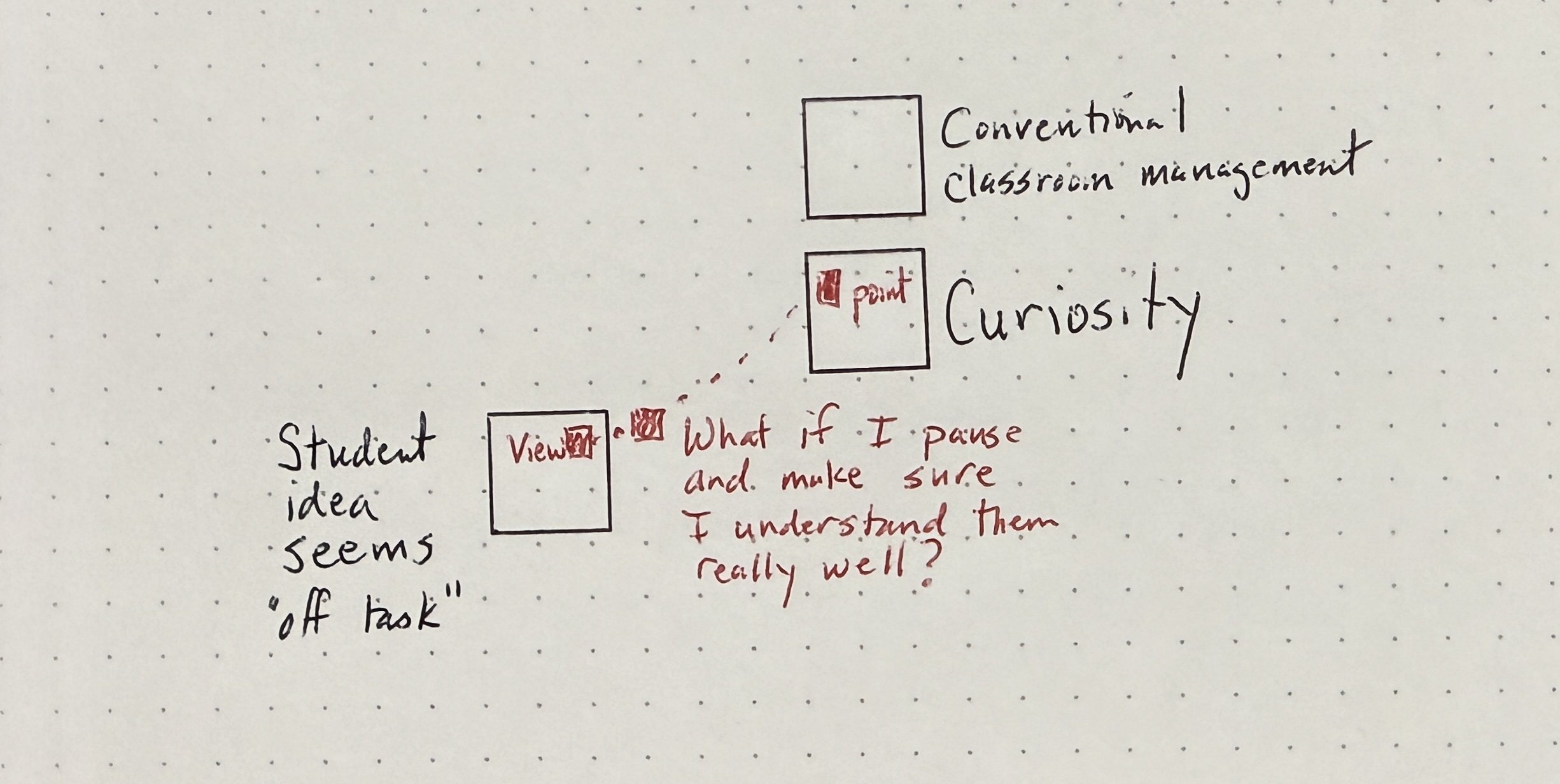
Map 1. 2 points on the same view. I’m sure I was unconsciously oscillating between these 2 points prior to the moment I came up with the experiment in this post’s Real World Experience. I’ve been working on making curiosity an essential point in my perspective since.
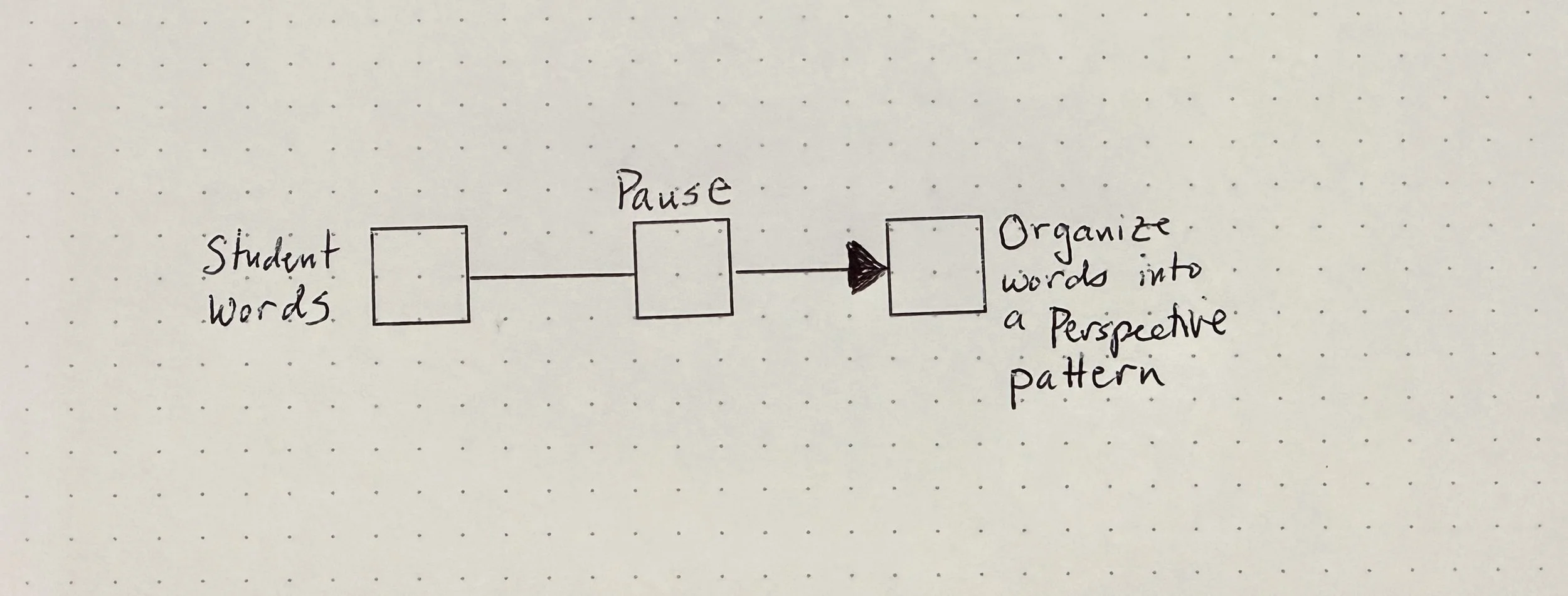
Map 2. Every relationship has an action and a reaction. This is an action-reaction map of my plan, where I’ve identified the relationship between the action (student words) and the reactions(organize words into a Perspective pattern). The relationship is a pause to stifle the possibility of being impulsive.
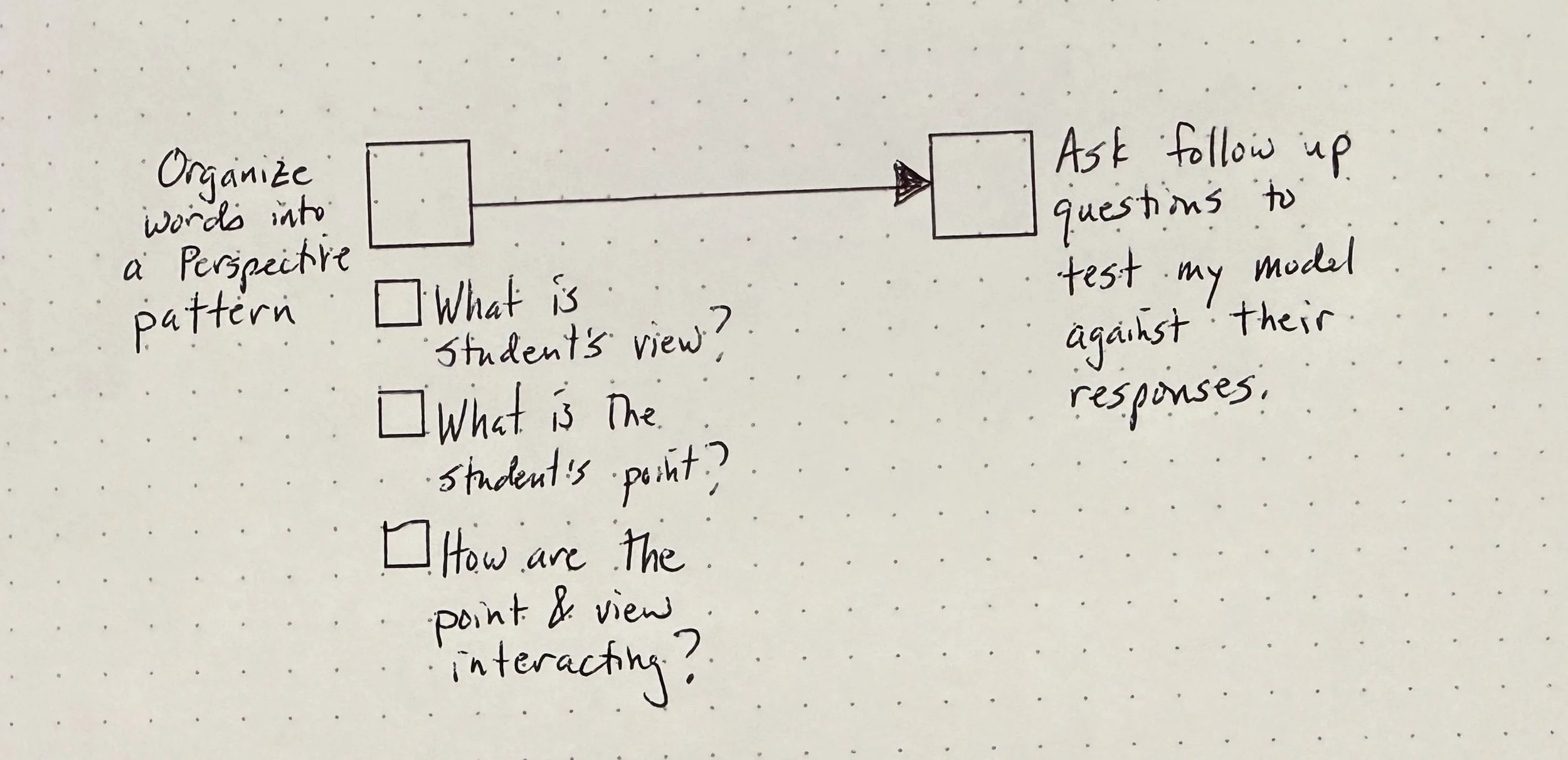
Map 3. I’ve made the reaction from map 2 an action and zoomed in on its parts. With the students, I did some of this in my head and some out loud to model metacognition. I’ve added my next step as well. My follow up questions helped students understand the organizational structure of the Perspective pattern.
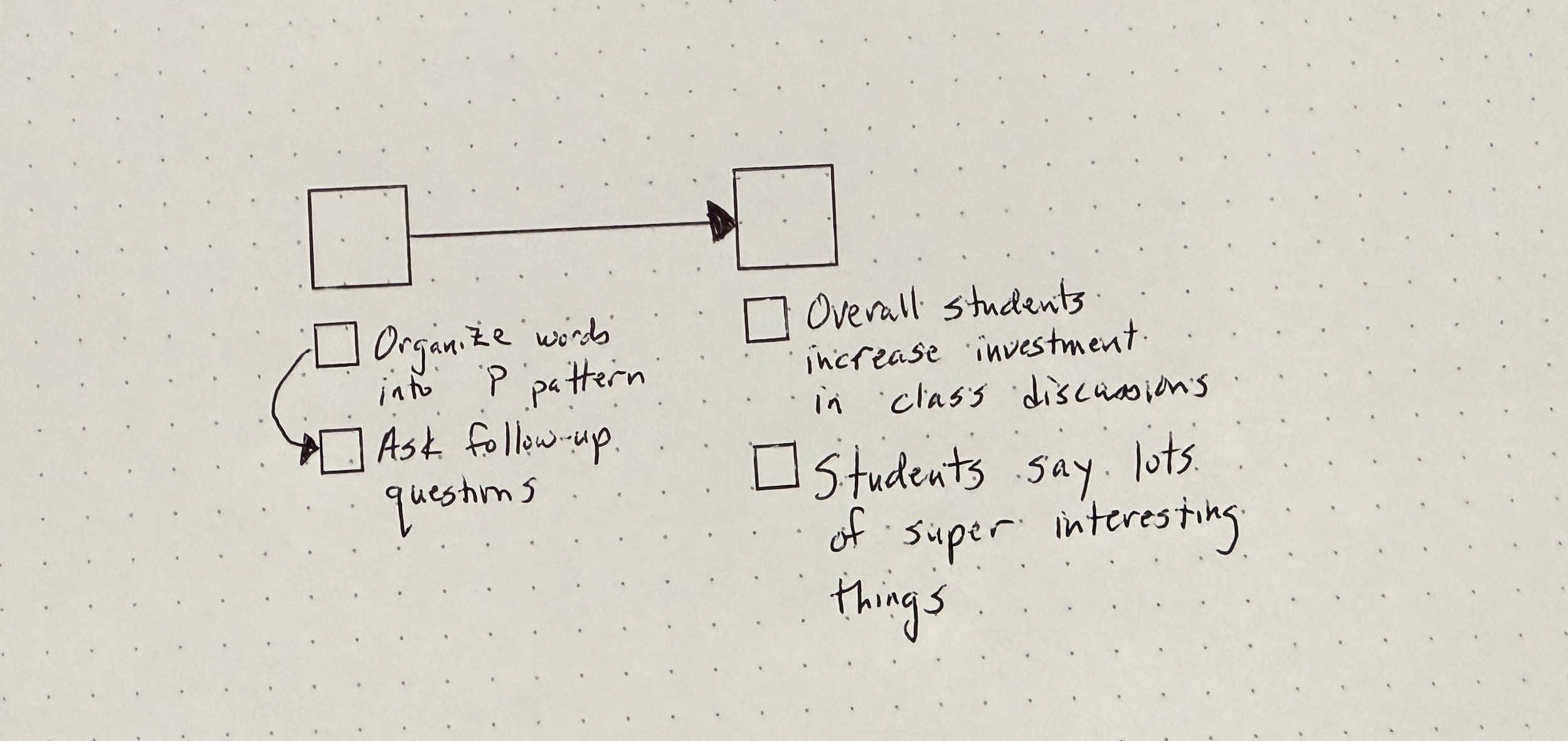
Map 4. The action in this Relationship is a compressed version of Map 3. I’ve zoomed in on the reaction here to make 2 things explicit.
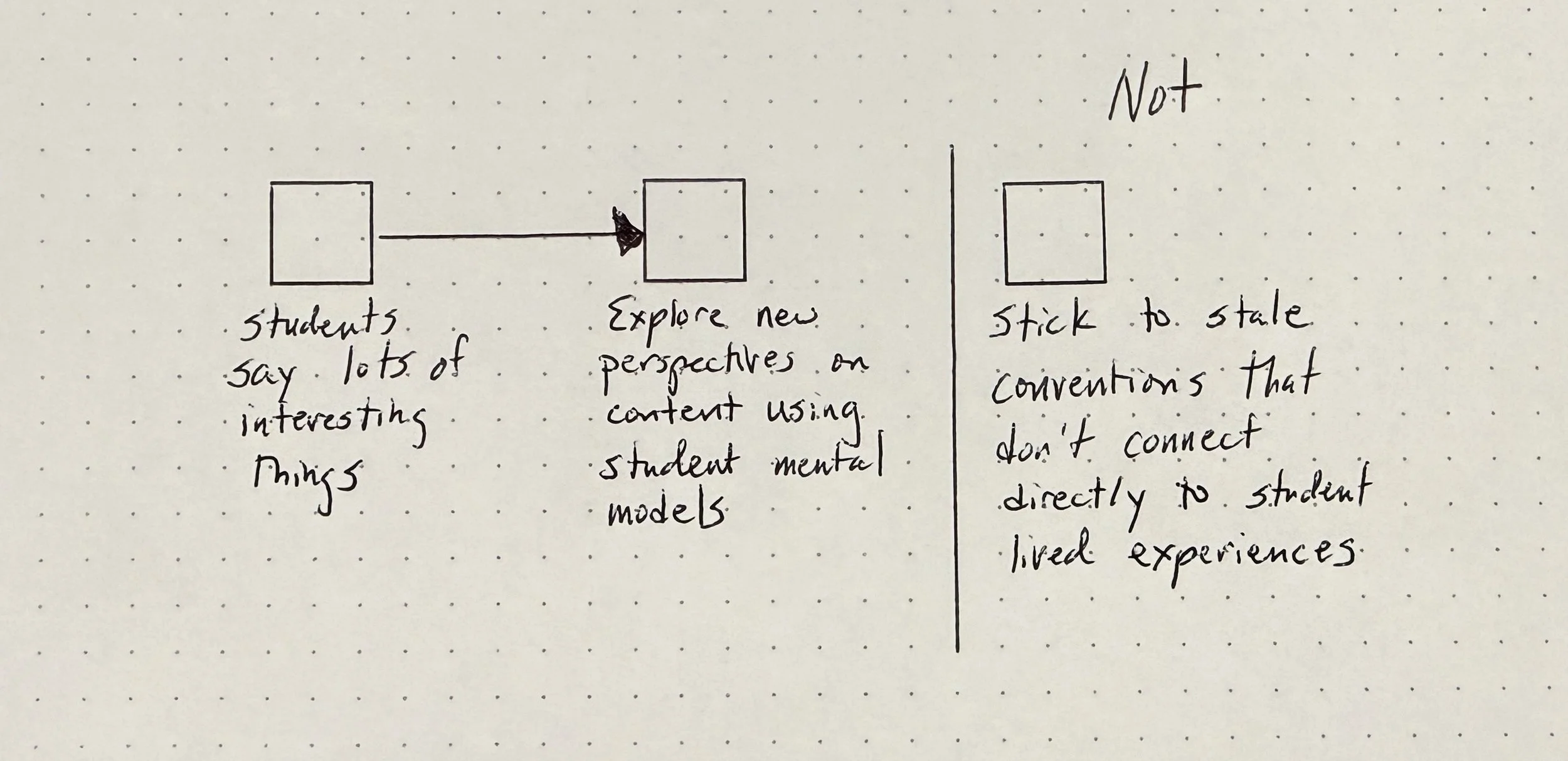
Map 5. This whole map is a Distinction. On the left, the identity, is an action-reaction Relationship. To make this identity pop, I’ve added the other to this identity.
Educators Note: Using precise student perspectives to inform ALL learning is critical for a genuine constructivist approach to learning. We might ask ourselves: When/where in school settings does using precise student perspectives fades from being considered super critical?
If you read post 1 and are wondering, this real world experience happened during the same school year.
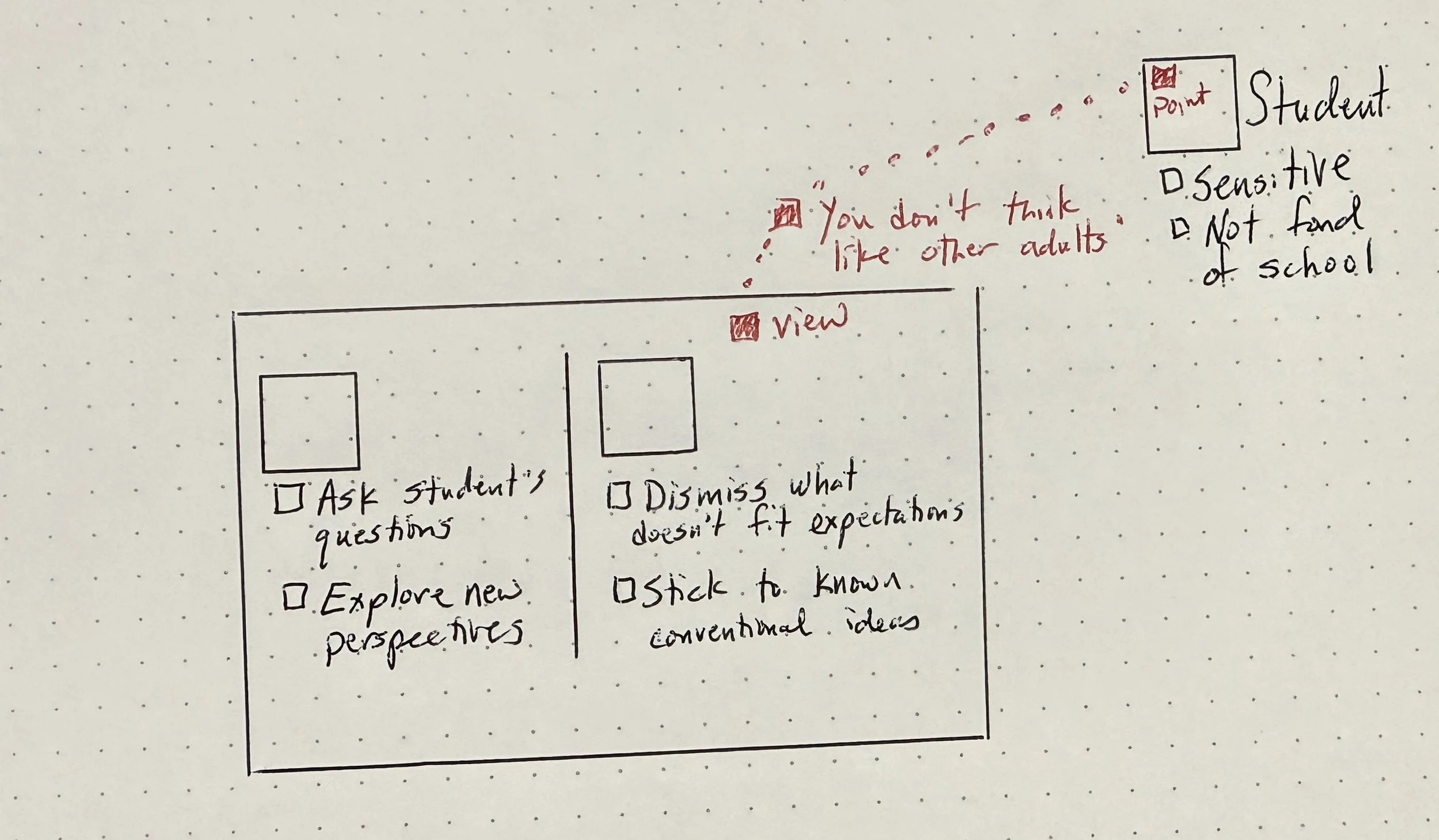
Map 6. A Perspective where the point is the student from the end of my Real World Example, and the view is a Distinction the student modeled that day in class.
Some Learning Since
I’ve thought a lot about adult-child and staff-student interactions since I ran the informal experiment described in this post. I’ve considered these interactions from a variety of positions in school districts. I also considered similar experiences in my personal life. As I connected more and more dots and viewed them through research lenses, a number of things seemed important. I’ll stick to one of those things here.
To begin, I’ll introduce a social cognitive development model that occurs in many research theories. The model argues that socially, humans develop from impulsive to instrumental (goal directed) to perspective-taking. When I test any community using this model, I can operationalize it fairly reliably. I can see when people are being impulsive, instrumental or trying to understand another’s perspective. Additionally, I can use it to figure out my interactions with others using the same concepts, and course correct when I’m being impulsive.
What my experiences suggest is:
At best, most adults are modeling instrumental action most of the time; nearly constant marching toward some goal known to them, that is not known to the children.
The adult-child status differential increases the number of times children see adults model impulsivity. For example, when adults demand rule compliance in non-safety (emotional or physical) instances, they are actually modeling impulsiveness.
For children that have already developed the skill of perspective-taking, these situations aren’t as big a deal. They can figure out why the adult is being impulsive or instrumental. For children that are still operating with an impulsive mindset for whatever reason, all they can see is what they know. And what they know and see is the adult is being impulsive. Worse, they can also see that impulsivity is okay when paired with power.
Reality is a bit more complex than I’ve described here, there are more variables at play. I still invite you to use the social cognitive lens impulsive-instrumental-perspective-taking and take a good look around you.
So what action do my reflections here suggest? I’d say that communities need to invest in the art and science of perspective-taking, especially school communities. And DSRP has to be part of this investment if we are going turn implicit elements of perspectives into explicit and shared knowledge. I’d also add that when communities are in the planning phase on this, they need to inventory all the NOT art and science of perspective-taking that is and has been going on, and take a long pause to consider this data.
I know there was a bigger gap between this post and my last one than I would’ve liked. Life was happening thought, and I needed to be present in some other areas. Anyway, I’m rooting for ya!
Additional Reading: Common Biases in Systems Thinking